Tag: environment

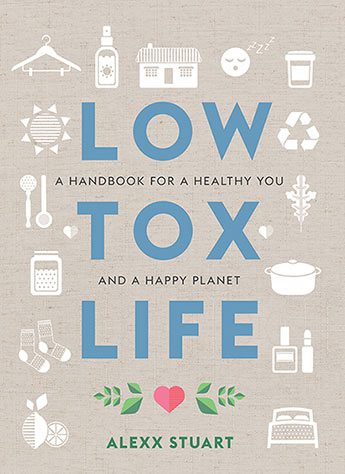
  • Low Tox Life A handbook for a healthy you and a happy planet

    Low Tox Life A handbook for a healthy you and a happy planet

    Alexx Stuart and this book are guaranteed to become your very new best friends. Why, you may well ask? Because it is filled with the most down to earth information about making a difference, not just to the way you live your life, but to the environment and to people empowerment. You are being encouraged to make critical choices about making change, and by doing so making a serious and long term difference.

    In today’s world of microscopic examination of just about everything, the constant barrage of what is and is not good for you, the environment, genetic modification, allergies, illness and so very much more, become one huge, confusing blur. For anyone who is trying to use the right products, trying to make a difference, is concerned about what they are eating or feeding their families, somewhere along the way it all becomes too hard, because what they are trying to achieve is a bar set far too high, in a world that strives for perfection.

    Stuart sets out from the beginning to debunk the myth that you as single entity, cannot make a difference to your body, to your home, what you eat and most importantly to your mental health.  The reality is, you can make a huge difference by having an honest look at what you are buying, eating and wasting.

    As with many changes in life, it took a health crisis to make Stuart take a look at what she was putting on her skin, eating and purchasing, as well as the personal and financial cost of ill health. Her Ah Ha moment arrived when she took a serious look at what was in so many of the products she was purchasing and realised she was poisoning her system with the host of unexplainable chemicals listed on the packets and containers.

    Now at the forefront of the Low Tox movement she offers basic, down to earth advice on how to make the changes required and often desired; not in one massive rebirth but by slow and easily managed steps towards a cleaner healthier you, and by association, eventually a cleaner, healthier environment.

    One of the most important points reiterated throughout the book is, take it one step at a time and by doing so success will be achievable. As she says, nothing is perfect and therefor, keeping the changes real is the secret to success. Start by replacing one product and move on. Make the big changes slowly and reap the rewards.

    As a handbook to change there are chapters devoted to skin care, the natural and healthy way to go about looking after your skin, with suggestions and recipes to try out for scrubs, moisturisers. Remember there are great alternatives to the chemical products now in use for just about everything. Food, cookware and linen, all come under scrutiny with a host of wonderful suggestions, recipes and ideas that can and will make a difference.

    ‘Greenwashing’ comes under the microscope as well. In other words don’t believe everything listed on the labels, check it out for yourself. But most importantly, you can make a difference by making choices as to what you purchase. If the product is not low tox, environmentally friendly and produced ethically, simply choose one that is, as eventually the manufacturer will get the message via their bottom line.

    The final chapter and perhaps the most significant is Low Tox Mind looking at the simple pleasures of life such as connectedness, happiness, rest, relaxation, meditation and the joy of having made beneficial changes to your lifestyle.  A word of warning is issued in the five ways not to lose your friends as you try to convince them to make healthy changes in their life, without turning into a social pariah.

    As she strongly suggests, approach the changes with a sense of excitement, knowing that by making simple changes you are not only enhancing your life, but also helping to make the future a far better place for generations to come.

    YOU have the POWER to make serious and sustainable change; YOU are being encouraged to use it!

     

  • Global Skies

    Global Skies

    You can read a great deal into music and as with all of Timothy Cooper’s compositions for solo piano, a great deal has been the basis for his inspiration. Global Skies is no exception. As a man who travels worldwide in work leading a consortium of major international companies, in an effort to help low lying nations in Asia mitigate the devastating impact of rising sea levels, he sees a great deal environmentally  that has been damaged and so very little being undertaken to repair the damage.

    He is a campaigner for a more peaceful and harmonious global society and truly believes gentle and positive music can be one of the many influences, as well as a call to action in regard to human freedom and liberation. A big call maybe, but one that has considerable merit, as it has been proven scientifically that music has immense healing benefits, which even in a small way can harbour in change, which can then become a trickle and then a wave.

    The titles of the tracks reflect various cities of the world where one or several aspects have encouraged him to compose a piece in tribute to the time, place and movement that remains in his memory. Singapore Sunrise is symbolic of a definitive moment when love of place arrives in a distant land; a blinding sunrise, softly falling rain and freshness born of a storm, peculiar only to the tropics.

    Geneva Moonlight Rainbow is a polarising piece as it is created in reflection to the polarising aspects of love and hate, ecstasy and anguish – the absolute opposites of emotion; not satisfied with the first offering Cooper has included it as a reprise towards the end of the album, in tribute to the works of Johann Sebastian Bach and Bach’s influence over Coopers musical style.

    Based around walking new pathways, the title track Global Skies encourages overcoming fear and prejudice, facing change, establishing integration and acceptance on a global basis.

    Concluding this album is a piece written and included on an previous album Solo Piano Songs of Peace, titled The Light After, a piece he considers as his ‘anthem’, and one written to ‘celebrate peace following the tragedy and ravages of senseless war’.

    Overall the music has sombre tone, a reflective and introspective influence which perhaps best illustrates the sad and sorry state the world has become due to politics, man’s greed and inhumanity. Underlying the fractious tones there is the gentle pulse of hope, change and peace, slowing rising over the plains and hills to create a new day, a new dawn and a new beginning.


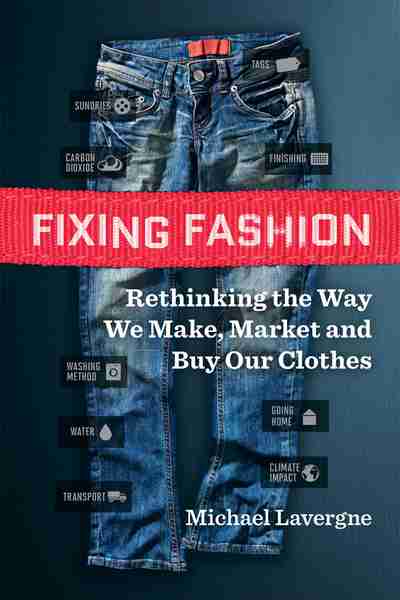
  • Fixing Fashion: Rethinking the Way We Make, Market and Buy Our Clothes

    Fixing Fashion: Rethinking the Way We Make, Market and Buy Our Clothes

    The story told is one that we, as consumers of fashion, have all been aware of for many years, but somehow choose to ignore all in the name of cheaper and cheaper clothing.

    To say the fashion industry is full of exploitation on all levels is not an understatement, but in reality the cold hard fact of mass production. Sadly, the people at the bottom of the supply chain, are the people who can ill afford to be anywhere else, as the industry does to some degree provide a living for the poorest people in the world; the people who have very little and therefor are vulnerable to the whims of a profit driven industry.

    For more than twenty years the sad and sorry tale of the ‘rag trade’ leaves a lot to be desired and even thought legislation has been passed to help protect the exploited workers, that, like most other things, is not enforced or the companies involved have created means and ways around the rulings.

    Michael Lavergne landed in the industry almost by default and spent many years establishing new markets, new production lines in some of the world’s poorest countries. Along the way he began to realise there must, and has to be, a better way of doing business in the modern world; one that upholds workers’ rights and treats them far better than they have been treated in many years.

    Sadly, it is not until some horrific incident occurs, such as the Rana Plaza factory collapse in Bangladesh that killed 1130 people and injured 2500 more, the world takes collective look at the conditions that are a standard norm within the industry and cries out in horror. Unfortunately, little changes within the industry, as profit driven companies are still focused on the bottom line, and the worker still has little or no rights.

    Thankfully, over the past five or more years there is a move beginning to occur towards ethical trading within the industry, that at this time appears to be gaining momentum with a number of companies beginning to take responsibility for the damage they are creating and condoning, not just on a human front but on an environmental basis as well.

    Michael Lavernge has done a thorough and masterful job to laying out the industry, from the early days of the industrial revolution, to today’s gentle breeze of change beginning to be a small, but significant factor within an industry that is as corrupt as it is brutal, having little regard for human rights.

    Much in the book will surprise you, and if you knew nothing about the industry before you will have a comprehensive understanding by the last page.

    It is a compelling read and one that should be read by anyone entering the industry or studying the many aspects of what goes into making the clothes blithely placed on your back, regardless of where you purchase them and the branding!

    It is also refreshing to know that the movement towards ethical trading and manufacture is beginning to make a small but significant difference.

     In Lavergnes words, ‘ All the power we need to effect real change in the world is now in our hands. Truly it is. We decided where we spend our money. We decide what we choose to buy and believe in. (sic) …. As a society, as human beings, we must now decide firmly to do our part, or, by our silence and acquiescence, mark clearly for our children, our community and our future, what we have each personally deemed to be acceptable standards of dignity and justice.

    Perhaps we should all take a look at where we shop, which brands we purchase and begin to take a responsible look at supporting those companies striving to make a difference, in an industry staffed by people who can use all the help they can get.