Tag: Children

  • George & Lenny Are Always Together

    George & Lenny Are Always Together

    Friendship can be such a powerful bond, that often differences are never noticed. This is how it is with Lenny the rabbit and George the bear. They play happily and are companiable on swings, skateboards and in playgrounds. There are never arguments or misunderstandings.

    Then one day Lenny begins to wonder what it would be like to be alone. He asks George, who can’t see why you would bother when you are so happy together. But Lenny wants to find out what being alone feels like. He tells George that he is going off alone. At first Lenny finds plenty to do, but as time passes, he begins to feel lonely.

    How will George feel, having been left, how will Lenny make contact again, perhaps George enjoyed his alone time? These are all issues to be considered as Lenny begins to discover the essence of friendship.

    George and Lenny Are Always Together is  a good story to use to talk about friendship and the boundaries that one may set. Many aspects of friendship may not occur to young children, but this story highlights individual need and responsibilities towards a friend.
  • Too Many Acorns

    Too Many Acorns

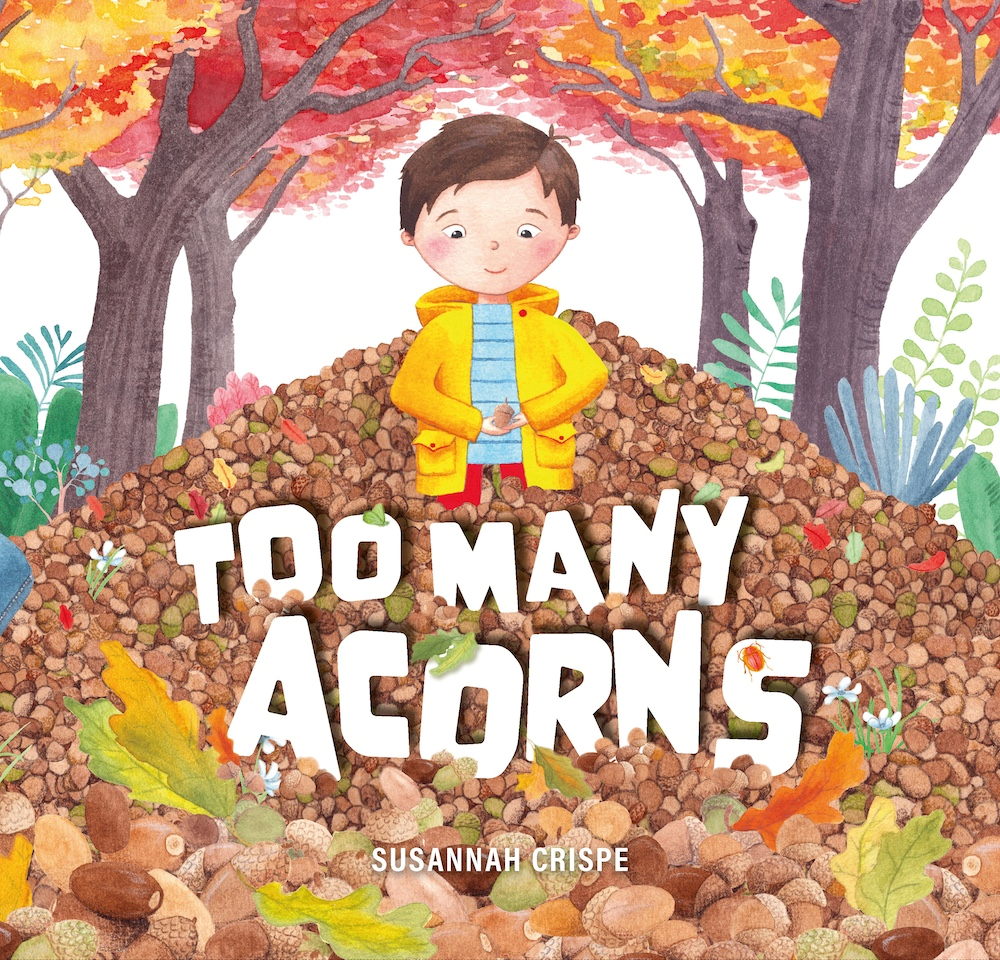
    There are times when children and adults can become obsessed with things. In this delightful story, Too many Acorns, we see that young Patrick is walking with his father one day when an acorn falls at his feet. He picks up the nut and feels the soft roundness and smooth exterior of the shell. The acorn was so small and alone that Patrick felt drawn to it.

    Bit by bit the young boy began to collect more and more acorns as they fell from the tree. At first, he stored them in his bedroom, then in the lounge room, and gradually the acorns were in every room of the house. This feeling for the acorns was a thing that “swept him up, gathering pace, and leaving room for nothing else.”

    When disaster strikes, Patrick realises that he “could no longer find the things that made his heart smile.” So many acorns! Suddenly Patrick’s father laughed, and the boy also saw the funny side of things. Once they had cleaned up the acorns a solution was found which involved an acorn, Patrick and his father.

    Large, simple illustrations enhance the story which has a serious undertone, as it tells how Patrick and his father both ascend from the gloom that has encapsulated them.

  • WALLS

    WALLS

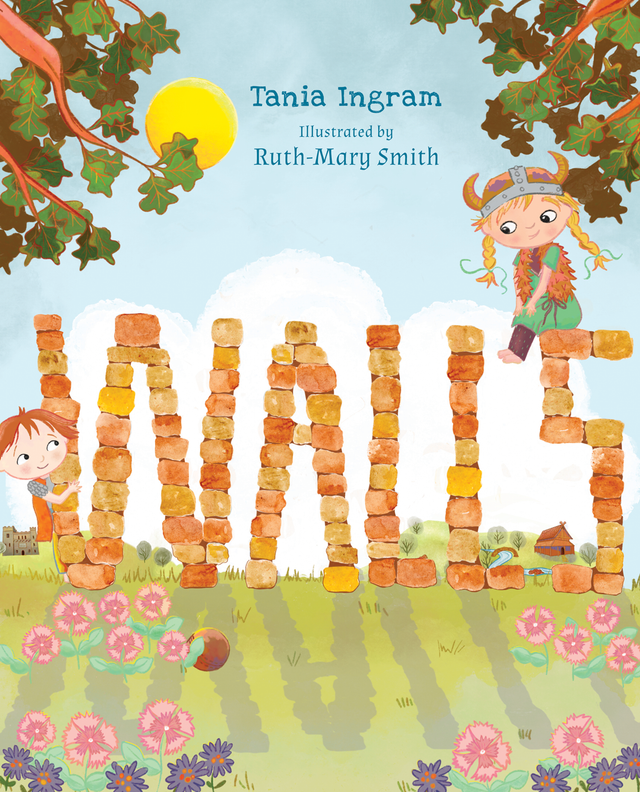
    With gentle, colourful illustrations, Walls cleverly shows how adults do not always get things right. Two men and two children live together but on different sides of the book. The children play happily together while the men begin by saying that their side of the book is the best. This leads them to feel that they can’t trust each other

    As the men gradually begin to suspect each other, the children play happily. Tensions rise and the men (one dresses as a knight and one as a Viking) decide to build a wall between them. Meanwhile the children have become quite inventive. The walls begin to grow until disaster strikes and the children lead the way.

    The illustrations convey meaning for a concise and clever text. The looks of dismay on the children’s faces as the walls grow is not noticed by the men. However, when all seems lost, it is the children who find a peaceful and satisfactory solution. Large text font and clever illustrations make this an easy and fun read.

  • When the Lights Went Out

    When the Lights Went Out

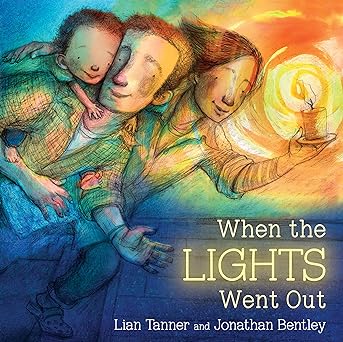
    It is a fact of life that at times our electricity supply will fail. This hard back Picture Book, When the Lights Went Out, shows how a family copes when this happens, with the young child reassured and encouraged to navigate this unusual situation.

    “The night was frosty dark but we were snug and cosy in the kitchen.”  This is how the story begins, and all is safe and secure. However, when the child sees darkness all around, including in the street, there is a sense of alarm.

    Mum and Dad reassure him by lighting a match and setting off to find the candles. They all move off where “shadows loomed and slanted on the stairs.” Like explorers they navigate their way in the dark until the candles are lit. Then they hear music coming from the street.

    Mrs Martinez is rugged up and playing music on her guitar. The neighbours come out to chat and dance and sing. What a lovely spontaneous way to banish the darkness. Everyone is smiling and warm.

    This is a great way to prepare children for the inevitable power cuts that we will experience. There is something rather sinister about the familiarity of light being removed, and this family has changed a scary situation into a fun time.

    The illustrations are simple yet full of colour and expression. They are a beautiful match for the text, which is also direct and explicit. So much love exudes from the parents it is reassuring, while the red noses of all the characters show just how cold it is in a gentle, humorous way.

  • Meli & Mac: rendez-vous with a Flamingo

    Meli & Mac: rendez-vous with a Flamingo

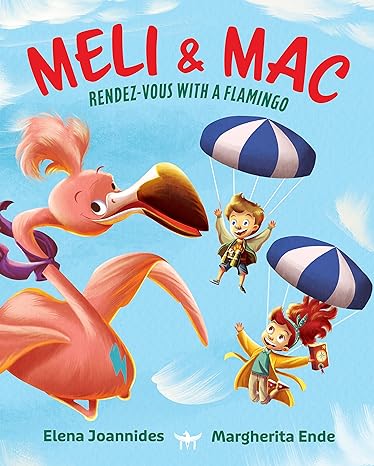
    Meli and Mac are having one of those days where they need to do some reading; in Mac’s case he is reading or trying to read, how to speak in French. He is a bit fed up and complains to his big sister Meli who points out they need to know a little bit of French as they are going to Paris for a holiday.

    He does agree and when she says she would really like to be able to speak Flamingo, he immediately grabs his magic bag, Meli grabs her coat and magic journal and before you can say abracadabra, they head out into serendipity forest to begin a fantastic adventure.

    As they find a pink feather falling to the ground they decided to go exploring up the tree, one thing leads to another and there, high in the tree they meet Freddie, a Flamingo who speaks French, who is tired and lost.

    He is supposed to be at the Shrimp Extravaganza at a big lake, but is not too sure where the lake is. Mac and Meli take out their magical map, and with Freddie slowly changing his colour to pink stripes, they find their way to the lake with a little magic to help them on their journey, naturally.

    Meli and Mac: Rendez-vous with a Flamingo is a great little story built around Flamingos which are found in profusion in some areas of France, so naturally they speak French. It also explains how they get their very distinctive colour: Pink!

    The French words used are translated in little sections at the bottom of the page, which make it very easy for beginners to learn and understand simple French vocabulary.  Bright illustrations, a fast paced story and a good adventure make this an excellent book for young readers who are learning another language, or just want a few words other than English with which to confound their friends.

  • I Love Harriet Kippley 

    I Love Harriet Kippley 

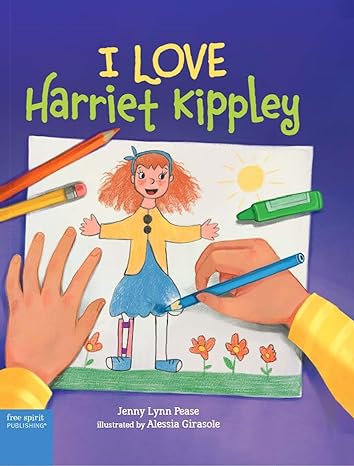
    Harriet Kippley’s art class was to have a party. They had to create a painting of something they loved for the event which was causing Harriet to become seriously worried. She simply did not know what to draw.

    All her bright ideas had already been taken and no matter what other ideas her family came up with, they were already taken or simply far too silly. What was she to do. After much thinking she went and asked her family what it was they loved the most and that is what she painted.

    Jenny Lynn Pearse has created a delightful story about loving yourself in this colourful and entertaining story of Harriet and her family, as they let Harriet know that she is the one who is special, that she is the one that they love.

    Bright and colourful the artwork from Alissia Girasole captures the worry when Harriet struggles to come up with something that is suitable and different, as well as the happiness and joy when Harriet discovers answers to her worries. It also presents in a very gentle style, the important issues of learning to ask questions to try and get answers to the problem and understanding that it is alright to love yourself.

    At the end of the story there is a lovely little section titled Questions and Ideas for You which helps understand the many facets of I Love Harriet Kippley while encouraging the reader to draw a picture of themselves and all the wonderful things they love about themselves.

  • Anzac Ted (10th Anniversary Edition)

    Anzac Ted (10th Anniversary Edition)

    The story and importance of the Anzac Legend is rather difficult to convey to younger children. It is so fitting that Anzac Ted has been reprinted after ten years as it explains those concepts very well. The story presents themes on many different levels, but all of them accessible to the reader.

    Ted is not a beautiful bear. He is battered and worn. He doesn’t win favourite toy at school or have appeal for other children. Like many bears, Ted holds many secrets.

    Ted was Grandpa Jack’s bear when war was declared. Jack enlisted and left behind a wife and baby. His Grandma packed his Ted and said, “Take Ted, I know he’ll bring you home.”

    So Anzac Ted went to Greece, Africa and Turkey with Grandpa and his mates. Ted gave the men moments of peace and became their mascot. In his own way Ted was a hero who travelled with the men, and like many of the men he returned home with wounds. So, he is not beautiful, but a hero in his own way.

    Following this story, the author has written an explanation of what happened at Anzac Cove. She acknowledges the Turkish troops there and their admiration of the Aussie and New Zealand Soldiers. Today we still salute the Anzac Spirit, and each generation of Australian and New Zealanders remembers the courage and pride that moved these men on.

    The illustrations and gentle humour portrayed help to ease the reader into difficult topic. This is an important explanation of a part of our history.

  • My Heart

    My Heart

    There are so many times when we just want to say to our babies, toddlers, and children, “You are my heart’s treasure.” My Heart makes it very easy to do just that. From the gentle colours, the peaceful illustrations and the tender words comes a feeling of tranquillity and love.  This is such a blessing after a hard day or night with a new baby, or just to stop for a moment and reflect on the joy your baby brings.

    From before the baby is born this mother describes the feelings from her heart. She has many words to recognise the baby’s journey through the first years, as she speaks from her heart. When bathing baby her heart smiles, it giggles when the first foods were eaten and leaps when first steps were taken. Her heart aches with the first fall off the bike.

    Now at school, the baby waves goodbye and her mother’s heart is experiencing all the previous emotions. What a lovely way to end a tumultuous day, and remind oneself that time flies by often without expressing these thoughts.

  • Two Rabbits

    Two Rabbits

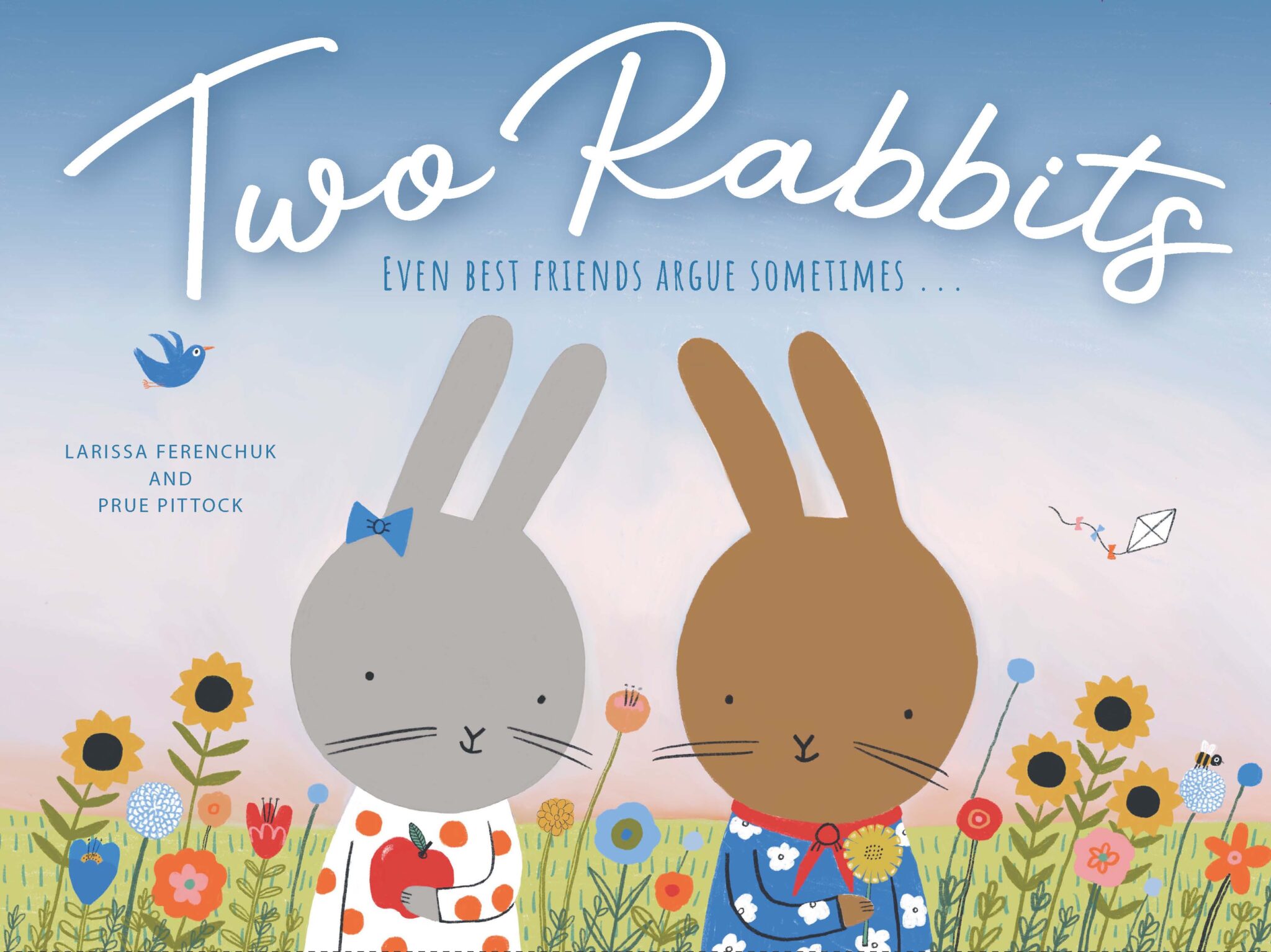
    Arguments and disagreements can happen to the best of friends. So, what do you do when hard words have been said, feelings have been hurt and your heart is beating faster?  These two rabbits in this lovely picture book Two Rabbits, show us the very best way to deal with conflict. They walk away, cool down, and then think rationally. This is a great way to understand conflict resolution at an early age.

    Using two rabbits, the author shows the feelings and physical side effects of an argument. Her language and simple dialogue are easy to follow and convey the exact feelings and emotions of the pair. There is no right or wrong after mean words were said.

    Aiding this story and adding to the understanding are the illustrations. To begin with we have a map of where the rabbits walked to cool down. Using double page spreads, the illustrator shows us just how the characters are feeling, and what their reactions are.  The pages vary from full page pictured to circles with text underneath.

    Two Rabbits is a great way to introduce to children how to managing yourself after an argument or disagreement, and how to resolve the conflict.

  • HENRY THE SNAIL

    HENRY THE SNAIL

    Henry is no ordinary snail, and Henry the Snail is no ordinary book! When you get a combination of an excellent story, clever succinct text and beautiful illustrations, the book becomes special. The themes and messages that are woven into the story so cleverly will give rise to thoughts and conversations for the readers.

    When Henry first saw “the light of day,” he wanted to be just like the other snails and climb a plant. He was sure that he could be like everyone else and just move up the stalk. However, no matter how hard he tried; he could not climb. He had no slime!

    Henry could only move along the ground. How he wished he was like the other snails. At first Henry tried bathing in honey, then sap from a tree, then he tried weightlifting to pull himself up a plant. None of these methods worked for him.

    Then a friend came along. With kindness and help, Henry managed to get to the top of the plant for a wonderful view. To celebrate the new friends that he had found, Henry was able to entertain them.

    So, being different needn’t be so bad. With friends, kindness and appreciation we can all be happy in our world.