Tag: sorrow

  • Unraveling

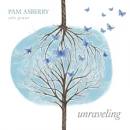
    Unraveling

    Eleven tracks, deep, sombre, reflective graced with, in places a touch of lightness, creates the deeply moving and emotional album Unraveling from pianist Pam Asberry, as she spends time at her beloved piano reflecting back over the year that was 2020.

    In many people lives structure is vitally important and when this structure changes, begins to crumble and there appears to be little that can be done to change the flow of life, a dark place is created, where although life does flow on, it is with a different tempo.

    Beginning with the moody Storm Clouds Gather the piece is deep, but has a lighter core which when coupled with the delicately beautiful Uravelling makes a stunning entrance to a work, which without a doubt, would have to be to date Asberry’s finest series of compositions.

    The immense emotion of the fragmented times over the year have been captured in a skilful and almost unconscious manner, offering to all a moment of the soul, a moment in time that will resonate with many.

    Hesitant and gentle Bluebird is a lighter song which lifts spirits and captures in a rare delicacy, the stunning beauty of nature in these small, strong little bird’s that have survived extinction, but only just, their song believed by the Iroquois Indian to ward of the icy power of winter.

    A personal favourite is Tattered Lace, a piece that simply seems to drift, a musician at one with the keyboard, simply allowing the notes to come forth, to form into the emotion felt at the time.

    Saudade captures that feeling of melancholy which aptly describes the longing or yearning for happinessto return once again.  Time Spent With You, a reflective, deeply telling song portraying a grieving which is felt during times of immense loss, before new hope and fresh beginnings are once again presented.

    The passionate Metamorphosis, captures the moment when realisation occurs that out of darkness comes light, out of despair comes happiness and out of sorrow comes love. Previously released as a single this song concludes a work which is beautiful, powerful, rich with emotion and one that will touch the very strings of the heart.

    Unraveling; beautiful, beguiling and considered as Asberry’s best album to date.
  • Lamentations

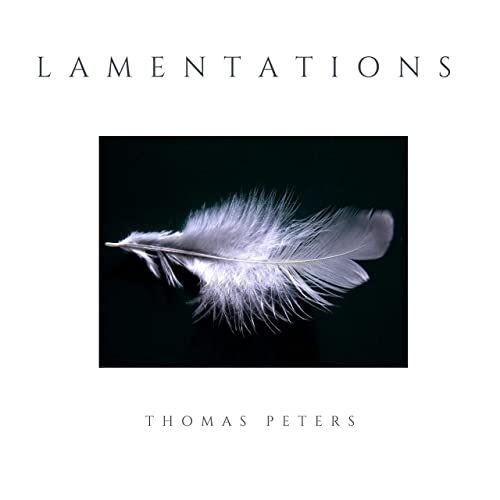
    Lamentations

    Grammy award winner Thomas Peters has moved away from his ‘comfort zone’ with the creation of what could be considered as experimental music with Lamentations; a work he composed during the difficult time of Covid and the wide spread disruption  to life as it once was, to life as it now is and will long remain.

    Known widely as a creator of multi-media work, listing amongst artists he has worked with, Nicholas Cage and Wouter Kellerman, this current work has been produced using the latest in electronic technology, a bowed NS Design EU-6 bowed 6-string electric double bass, designed by the legendary Ned Steinberger.

    Lamentations in the biblical sense were used to mourn in a public manner the destruction of City of Jerusalem in a stark, almost poetic in style. This sentiment has been captured over the breath of this composition, or canon, a style of music that has been around since the 14th century, then often known as fugue and generally considered as a piece for two or more voices built around a subject.

    Transpose voices for electronic harmony, coupled with electronic bass and the deeply resonant structure of the pieces construct Lamentations, to form an intimate ‘song cycle’, reaching out with healing and peace.

    Out of the Depths commences the cycle; a short two minute piece created by striking a metal tube to create a rhythmic flow of sound to welcome, to invite, which is followed by the almost angelic Drifiting, the perfect sound sequence to relax, slow and begin the healing journey.

    Although there is a melancholic thread binding the pieces together, the work is, in an intriguing manner, healing and comforting. It allows the mind to relax, to let go of the emotions for a period of time and to be Mindful, which when taking the traditional element of this continuous style of music one step further, was the underpinning purpose of Chants beloved of Monks and many other Religions, as they sought a higher meaning, to be at one with the moment in time, to build a sense of peace and hope.

    De Profundis once again has captured in the biblical sense, a cry of deep feeling or sorrow, emulated by the striking of a metal tube with underpinning melody to add a gentle mellowness to the music; so in the beginning, so to at the end of an interesting composition in totality that uses the healing ability of music to encourage the brain to relax, to meditate and ultimately to heal.

  • The Long Road

    The Long Road

    Life seldom delivers what is expected in so many ways. Sadness, loss and heartbreak pave the way on life’s road: with the sad loss of friend Juliette Calayag Pralle, Monica Logani has created her second album The Long Road, as a way of acceptance, of making sense of life’s most confronting emotion, that of death, and also as a  tribute to a dear friend, whose life was short but filled to the very brim with living.

    From the first track, Birds, the sombre tone of the music is established, allowing the listener to understand that this collection is a far remove from her previous up-tempo work Secret Garden, released to acclaim in 2016.

    As each of the songs unfold, a differing aspect of the grieving process is revealed, with the third track Juliette, written as a delicate and beautiful reminder of a dear, beloved friend. The intertwining of strings adds a depth of emotion to a short, emotional piece.

    Poette is in tribute to life lessons, a sombre reflective, almost waltz-like melody, with a slightly more dramatic, overarching feeling of acceptance and moving on through the weeks and months ahead.

    Poignant, hesitant and beautiful is The Long Road, which encapsulates the hesitancy of real acceptance, the time when disbelief must make room for reality, a place and time required to be felt, in order to let go and begin to heal.

    Valencia ushers in a breath of freshness, of lightness, of the dark spirit lifting to allow the joy of everyday life to be felt, enjoyed once again, softly, gently; this song contains a lovely lilting tempo: a glorious piece.

    Short and yet captivating Summer’s End precedes The Last Embrace which is as expected, a measured composition full of sadness, acceptance, drawing a very personal sharing of grief to a sombre conclusion.

    Although the album is the embodiment of sorrow, within the emotion is beauty, acceptance, healing and love, which in a sombre style allows the wonder, healing and magic of music to sooth the soul in time of great need.