Tag: sixties

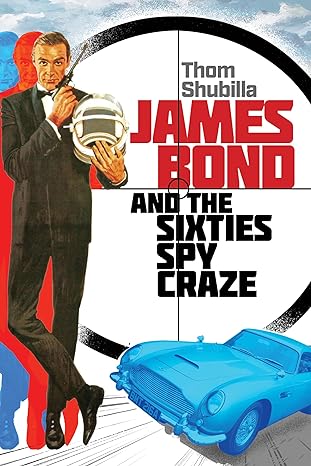
  • James Bond and the Sixties Spy Craze

    James Bond and the Sixties Spy Craze

    When the first James Bond movie hit the wide screen in the i960’s, Dr No in 1962, it began craze if you like, for more of this farfetched and yet very believable espionage, secret agent spy thriller genre. This was to last from 1962–1969—peaking in 1966–1967.

    The timing was perfect as the world was grappling with the effects of Russia and their Communist philosophies, the very serious threat of nuclear war between the USA and Russia with fear widespread, when along comes James Bond, a man who not only looked handsome, had a very good way with women and had a ruthless personality when came to getting the job done.

    Based on the books by Ian Fleming, who saw James Bond as his alter ego, the pace was fast, the settings exotic and the glamour surrounding Bond made it all the more believable in the cinemas. People needed a hero, even if he was a fictitious fellow.

    The franchise was to go on to great Box Office success and is still alive and well after more than sixty years, the men playing Bond have changed several times with the last Bond, Australian Daniel Craig bringing this man of secrets and talents into the world of today.

    This spawned many other Spy concepts, with In Like Flint being the first one to take a tilt at the Bond franchise, which then lead on to a range of secret agent material for both television and Cinema. Charlies Angels, the Austin Powers series and The Man From Uncle to name a few, are directly related to the original James Bond concept.

    In James Bond and the Sixties Spy Craze, Thom Shubilla looks at the influence James Bond has had on wider range of media productions, the establishment of the ‘franchise’, a little about the very careful selection of who was to play Bond and the men who followed in the footsteps of Sean Connery, Box Office takings and why the concept of James Bond is still popular today.

     For anyone who is an avid James Bond fan, and there are many, James Bond and the Sixties Spy Craze is a must read and a most enjoyable walk back down memory lane.

  • Back to Broady

    Back to Broady

    Apart from being a wonderful memoir of Caroline’s early life, this story tells of how things were in the 1960’s in Broadmeadows in Melbourne. It also describes a large Irish Catholic family and their transition into Australian culture; so many of the issues are looked at, such as walking to Church because there was no petrol, and scraping together a living with a large family. Then there is an inside look at the author’s family and her memories of how things were when she grew up.

     Because looking back was painful, the author chose to intersperse the chapters of her book with her current day life. She was employed to teach English to New Arrivals in their homes, and as she had to travel close to Broadmeadows, she went back to her old home and surroundings to help recapture the days of her childhood. At this stage, Caroline realized that writing about her childhood and revealing the situation the family was in at that time, would help her come to terms with the tragedies that beset them.

     It seems apparent that the mother of the large family was suffering from a mental illness. After eight children, she was worn out, and yet still had time to welcome friends and care for the babies. It seemed that Cally, as the author was known, was an irritant to her mother, and she always longed for a closer and more loving relationship, as the other children had.  Cally’s father worked hard and was a caring father, but making ends meet was always tough.

     There are so many examples in this book that would ring true to anyone in that era. For example, the weekend eggs and bacon were frying in the pan, wearing hat and gloves to Church, the constant smoking, and the smell of chow mien with cabbage cooking. For the children, it was the same. Things were based on survival rather than on careful parenting, so running away and sneaking off to the pool were all acceptable behaviour.

      Death and dying were also common, and usually sudden, such as the man who died in the shower. The boys who were blind because of a bump to the head, is an example of how health and medicine are far less progressive than today.

     Many issues are addressed in this story, and it is interspersed with the developing relationships that Caroline has with the young women that she teaches. She becomes a familiar face to their families, and treasures the kindness shown to her as their teacher. Mental health is another issue that is discussed, the author’s mother and sister suffering in a society that had little time for those who couldn’t cope.

     It is courageous people who can write about times where growing up with tragedy, love and poverty, blend and become a part of the person you are.