Tag: rivers

  • Where We Swim

    Where We Swim

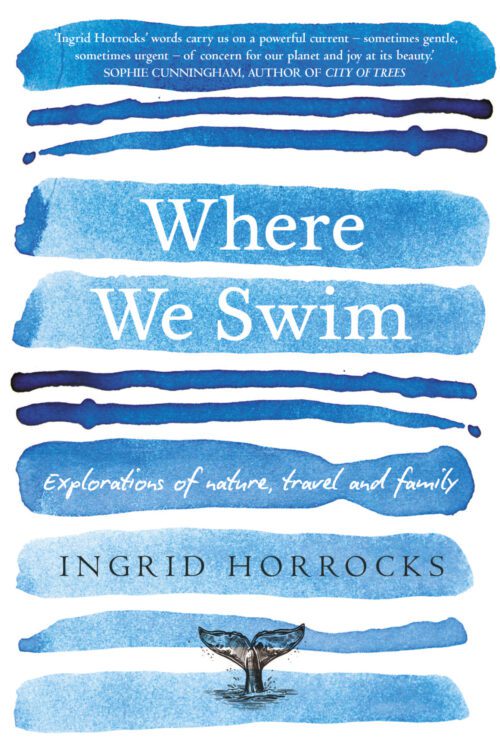
    Where We Swim as a title immediately draws in a reader who is interested in swimming and nature, travel, and family; but first, the swimming. Ingrid Horrocks explains feelings about immersing her body in water. Any water: baths, pools, oceans or rivers. She describes the wonderful feelings when a swimmer can sense the “Water of my body contained within the water of the sea.” I get that! Gradually we follow Ingrid’s journey, from childhood to the present day. We see how she swam as a child with her mother and embraces the sensations of immersing her body in water.

    As the story progresses, we discover that Ingrid has a partner and twin nine-year-old daughters. They live in New Zealand. The family visit Ingrid’s parents who live near the sea, and we meet the people who have influenced her life and thoughts in a happy and relaxed way. The story is relayed in chunks of special times in their lives.

    The author’s brother lives in Columbia, hardly a safe tourist destination, but one which she was drawn to because of strong family ties. Some of the tourist activities they embark on are dangerous and frightening. Her brother is confident the family will come to no harm as he takes them on some hair-raising activities which are described in detail, leaving a cautious reader to grip the book tightly.

    Episodes of importance in Ingrid’s life are relayed in this book. Her thoughts and musings on environment and nature are interesting and progressive. Reading this story is almost like being a neighbour of the family, watching as they grow, relate and discover a wider and wider world. Thank you, Ingrid, for including us in your journey and musings. The love of water and immersion is special.
  • How It Happened

    How It Happened

    Poets tell the stories of their life with words, musicians do it with music, which like poetry reflects the place, the space they are in at the time of composition, of birth, regeneration, outrage, the highs and lows of love or despair.

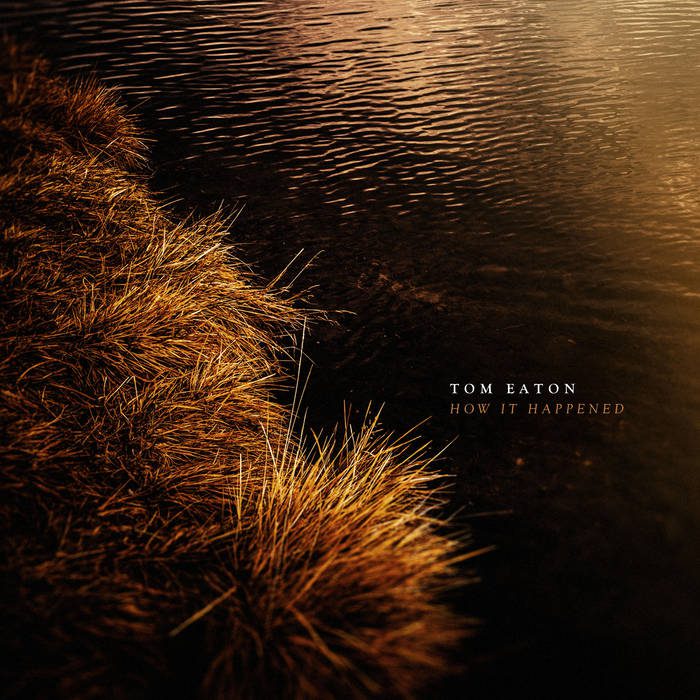
    How It Happened finds Tom Eaton is in a somewhat pensive, reflective mood, taking time to focus introspectively, to get his life back in balance and to let the emotion within transform into a beautiful, floating, ethereal series of pieces that reach out with a gentle, light and emotional touch.

    Inspired by time spent on the banks of Contoocook River, the mighty Mississippi River and the beaches of Massachusetts, where the Merrimack River meets the ocean, the work is ambient, inspired and contains the timeless element of the lifegiving waters as they wend their deep, often tumultuous journey to the ocean, following a time worn course from beginning to completion.

    Consisting of eight subtle and gentle pieces that segue softly into each other, allow the healing modalities created by the skilful blending of electric harmonies to work their magic, creating the passing of the seasons, the relentless passage of time constantly moving on, joy, sorrow and acceptance all reflected in the rich and beautifully structured pieces.

    Well known for his immense skills as an engineer and his pioneering in the work in electronica, Eaton returned to his love of composition and creation releasing three works in 2016, composed by an older, wiser Tom Eaton, a man seeking a pathway to express the changes in his life; How It Happened is his forth release, with the album in totality considered as simply beautiful; perfect for relaxation, deep meditation or simply enjoying.

    Eaton considers each of the compositions as a story plucked from special moments in time. This is reflected in the small, but poignant piece of simple, heartfelt poetry on the inside cover which tells so much about the man, his music and a pathway well-travelled.

    An absolute gem,

  • Land of Nod

    Land of Nod

    From the first track on this delightfully relaxing solo piano album, you feel right at home. The notes of the piano tease the memory into remembering a time when life was different, slower, and easier; in many ways far more peaceful.

    Each of the beautifully crafted tracks have been created with nothing but pure relaxation at the very heart of each piece, all of which have been delivered with a delicate and light touch that is endlessly appealing.

    The titles alone, Rocking Chair, Marmalade Skies, and Looking Glass River to select just a few, immediately create a vision of something memorable: sitting in your grandma’s rocking chair as a child, the majesty of a sunrise or sunset, the timeless nature of a river moving slowly, peacefully towards its destiny, have all been captured within the music.

    Compelling and infinitely enjoyable, Dillon has encapsulated so many elements required to create an enjoyable and relaxing listening experience with styles ranging in complexity to simplicity, allowing the music to appeal to a wide age range.  His style is such that you simply absorb what feels like music you have known for many years, music which is tucked somewhere inside you, comfortable, familiar and enjoyable.

    Should you have problems switching off at night, settling the children for sleep or simply unwinding from a long and stressful day, this collection of what could loosely be termed lullaby’s, will have definite appeal.

    As a young man growing up on Kathmandu, Nepal, Dillion began to learn piano in elementary school and continued on during his high school years. Born with ADHD and autistic tendencies his music and love of piano helped him toward overcoming many of his life challenges. This inherent understanding of learning to relate, to the need to switch off, tune out and reach a peaceful place has been interwoven through this 15 track album which will become a firm favourite.

    Compelling, relaxing, enjoyable and beautiful, Dillion has created something intrinsically appealing and timeless.