Tag: refugees

  • The Pull of the Moon

    The Pull of the Moon

    The small most northerly external territory of Australia, Christmas Island is the setting of award-winning author, Pip Smith’s latest powerful young adult book.  While this novel centres around the 2010 sinking of the Janga, an Indonesian fishing boat carrying eighty-nine asylum seekers, it also highlights the issues around the standoff of the MVTampa, detention centres, and destroying of Christmas Island’s unique natural environment. 

    Through the eyes of 13-year-old Christmas Islander Coralie, readers are exposed to life on this distant island and its wonderfully diverse but threatened biodiversity. Life for her family begins to change as the island is increasingly used as a place for off shore detention. In the early hours of December 15, 2010, the locals are alerted to the Janga disaster by sounds of screaming from the shore. It is through the eyes of Coralie and Iranian Zahra and her 11-year-old brother Ali that readers experience the enormity of this harrowing event.    

    I highly recommend this well researched, sensitively written account of an event, which shocked many Australians and left them questioning their beliefs. As it humanizes refugees, teachers of young adults will find this the perfect book to discuss issues surrounding Australia’s immigration policy involving asylum seekers and refugees.
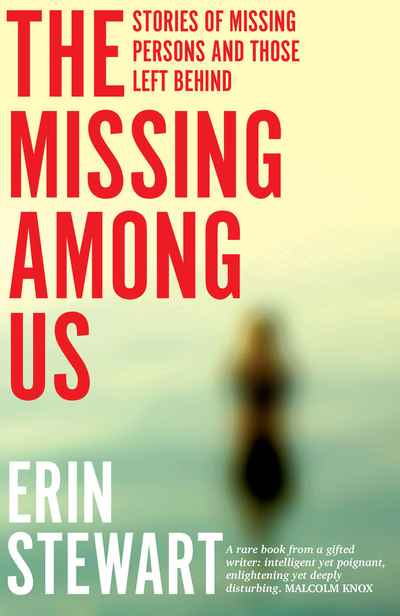
  • The Missing Among Us: Stories of missing persons and those left behind

    The Missing Among Us: Stories of missing persons and those left behind

    Some people choose to go missing, while others are compelled by forces outside of their control. Sometimes the reason for their disappearance is somewhere in the blurry space between electing to go and being taken. However, missing people leave behind someone who is grieving for them, who is missing them, who cares about them and just wishes to know that they are safe and well; they have disappeared from the fold of their relationships.

    When reading about a missing person, straight to mind would come missing children, such as the Beaumont children or Madeline McCann or maybe someone who has been abducted, kidnapped or runaway.

    Author, Erin Stewart, however takes a much broader view, by asserting that missing persons by their nature are an ambiguous reality; we don’t know where they are. There are many and varied causes why someone may go missing. In her book she investigates, many of these reasons by undertaking interviews with a wide range of people who work/volunteer this complex and broad area. She explores amongst others, war casualties, refugees, stolen children, the removal of first nations children, unaccompanied minors, role of ‘new religious movements’ (cults) and runaways as a result of child abuse or mental health as reasons for someone disappearing from the lives of those who care.  

    What started out as a PhD thesis has resulted into a comprehensive book about the concept of ‘missing persons’? Readers will find this both an interesting and informative read. The author’s final chapter is an excellent recap of the content and assertions made in this book. For those readers who wish to undertake further reading in this area, the author has included a wide-ranging reading list.