Tag: recipies

  • Ribs

    Ribs

    This is a guide to preparing the best ribs that your family can enjoy, and tailor make them to your own tastes. The information has been gathered by Adam for twenty years and he has a wealth of information when using all kinds of barbecues and grills. There are details given about the outdoor kitchen, looking at fuels and smoking woods, and the indoor kitchen, using the pressure cooker, a grill pan and a deep fryer.

     The type of barbecue to be used is looked at briefly, then woods to use on each one, and as well, charcoal and smoking is mentioned. The smoking technique is looked at and described. The next section of the book deals with rubs. Here the author stresses that you can experiment and develop your own family favourite rub. He suggests getting the best flavours, you grind your own spices, to ensure their freshness and full flavour, and make sure you grind them into a fine powder.

     The first ribs described, are pork ribs, and we are told how you need to make sure the butcher has left enough meat on the topside of the ribs. Recipes for the pork follow these tips. There is a list of ingredients, a suggestion for a rub, a sauce, and the method of preparing and cooking the meat. Together with a photograph of the finished food, and a tip for added interest, this is certain to set the mouth salivating. However, this is not a quick meal, but will take several hours. There are many creative ways of using the meat, and we find a recipe for pork ribs and seafood Laksa.

     The next section deals with lamb ribs, and again, we have a creative list of recipes including Asian style, Spanish style, and Chinese based meals. Next the book deals with beef ribs. Again we are given instructions on what to purchase, how to prepare the food, and the best method of cooking it. There are some recipes that really challenge our perception of how to present these meaty pieces. For example, warm beef ribs and goat’s cheese salad, and Massaman beef ribs, as well as beef short rib pot pie.

     To complete the variations, we have chicken ribs, which lend themselves to hot and fast cooking. As with the previous pages, many succulent and delicious recipes are given with the variety of dishes wide ranging, and certainly cater for all tastes. To finish this book, we are shown clever ideas for using leftovers. The smoked pork spring rolls look wonderful, as does the salsa verde lamburger, the pizzas, and the sliders.

     Complete with an index for easy location of dishes, this book is really well set out and has simple to follow instructions. These are followed with a full page photograph of the recipe and should ensure success for the cook.

  • River Cottage Light and Easy

    River Cottage Light and Easy

    There comes a time, and it does not matter what age you are, when what we eat makes a huge difference to how we feel, how we cope with the pressures of modern life. As Medical Science uncovers more and more information about the effects of what we eat and the products used as the result of modern day farming and production methods, it is refreshing to see a complete cook book devoted to healthy, easy to prepare meals based around the principal of fresh, dairy and wheat free ingredients.

    On this topic Fearnley-Whittingstall of River Cottage fame has delved deeply into healthy options making it his mission to create simple, easy, light dishes from fresh, easy to obtain ingredients which will make a huge difference to how you eat your way towards a healthier lifestyle.  He, as we all are, are growing older and re-assessing what it is we put into our mouths on a very regular basis, how this continuous intake is effecting blood pressure, the dreaded cholesterol levels and somehow that weight gain that seems to be creeping up slowly.

    As always the book is divided into sections beginning with Breakfast which commences with the lovely line “I’m not mad about rules in the kitchen…”. That sets the scene for some wonderfully avant- garde options to enjoy which will set you up nicely for the day ahead.

    Soups as always open the door to many easy options, which can be made in bulk and supply comfort food on cold wintery days and delivers on quick, easy and light options with a delicious selection of cold soups. All of which are ideal to fill that lunch time craving or as a pick-me-up snack.

    Each of the sections has a little introduction and an insight into the philosophy behind not just the recipes but rationale behind the dishes. This is the case in the chapter Meat – Less is More where meat runs as a compliment to the vegetable not the other way about as is traditional and makes for some very interesting combinations.

    It is recognised that we all love to enjoy something that is a little bit naughty and a whole lot nice, regardless of why we are adventuring into a new style of eating, which has been catered for very well indeed in the sections  Fruit and Treats.

    Another lovely innovation is a code in the form of little graphics such as a lunchbox, a clock and a leaf which makes it very easy to discover the right dishes with all the recipes being wheat free, but not necessarily gluten free. Thoughtfully provided on page 403 are a lists and the page numbers of all the recipes which are gluten and wheat free, providing you do select genuine gluten free ingredients when doing the shopping.

    In the Introduction Hugh Fearley-Whittingstall throws out the challenge to go wheat and dairy free or one month to see how you feel and see if you, at the end of the month have a renewed vigour for life and living.

    When you add to the 170 delicious recipes designed to tempt, the beautiful photography of Simon Wheeler, you are definitely at the beginning of the pathway to life with a healthier, fuss free approach to cooking.

  • The Beans and Grains Bible

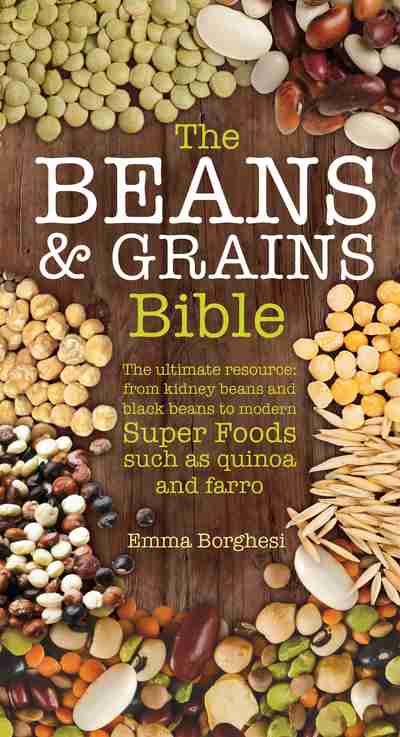
    The Beans and Grains Bible

    With the wintertime coming on and the desire to eat hearty, warming meals that are not going to add to the weight gains so often experienced in the colder moths, it I perhaps time to have good look at beans and grains and the best way to use them in our daily lives, mostly to present a warm nourishing meal with the added bonus of being very cost effective.

    If you are a vegan or vegetarian this is a bit like preaching to the converted as you already have a thorough understanding of the benefits of these foods in your daily diets, but if you are not and desire a change, are prepared to experiment, save some money and discover you are feeling a lot healthier, this is the book for you.

    Right from the first chapter Borghesi sets about curing you of the many myths and legends that surround these humble staples which is both entertaining and easy to understand. She addresses the issue that life without read meat is bad for you, as well as guides you through the minefield of misunderstanding and confusion that surrounds beans and grains and your daily diet.

    With people becoming more conscious of what they eat and where foods are grown, how they are grown and presented to the buyer, perhaps now is the time to take a serious look at these not so simple items that can be grown in your home garden to some extent, with a little effort.

    There is a wonderful chapter on Bean, Grains and Nutrition which offers a comprehensive understanding of why these staples are so important in our diet and addresses such issues as essential nutrients, protein, amino acids, carbohydrates and dietary fibre; issues we are all too familiar with in today’s world of ‘quick fix diets’ for this and that condition or weight loss scheme.

    But moving on to the serious sections  of the book we begin with ‘going with the grains’, beginning with an introduction and then detailing all the readily available ‘modern’ grains starting with Barley and ending with Wild Rice. Ancient grains, Pseudo grains, New Pseudo grains and to conclude the section a very informative section on Flour Alternatives makes understanding these foods simple and easy.

    Beans are dealt with in the same manner, detailing each type, giving their history, usage, fast facts, and eating options. Do make sure you look at the ‘The Exceptions’ component as it fascinating: did you know Alfalpha is used in folk medicine, Mesquite  pods and seed can be ground to produce a simple flour  and the most nutritious segment of the Tamarind is thrown away with only the pulp used.

    To complete this incredibly informative presentation on your new additions to your pantry, there are some wonderful meal plans and recipes to encourage you to experience and experiment, along with some important notes and a great glossary.