Tag: poet

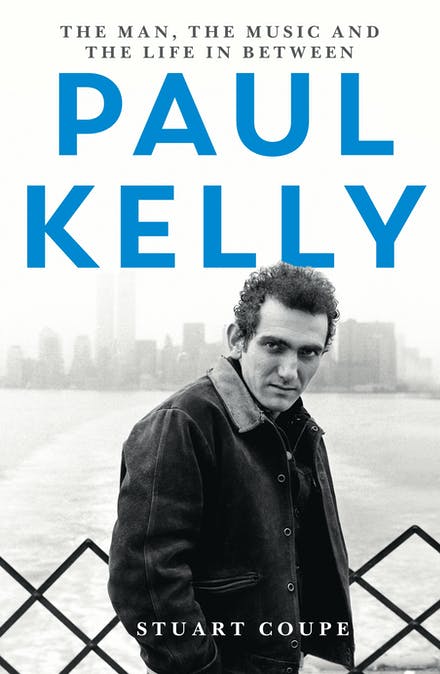
  • Paul Kelly: The man, the music and the life in between

    Paul Kelly: The man, the music and the life in between

    Written by Stuart Coupe, a music journalist who was for a good number of years Paul Kelly’s manager, Paul Kelly – the man the music and the life in between makes an interesting read into the miniature that makes up the life of a musician, a man who is today considered as one of the leading singer songwriters over the past thirty years or more; that man is Paul Kelly.

    Paul Kelly had already written his own ‘memoir’,  How To Make Gravy, released in December 2018, therefor looking at his life from a vastly different perspective, that of his family, friends, and those he worked with over his many years of creating music, presents many an interesting aspect of this iconic figure.

    Born into a devout Irish Catholic Adelaide family of nine children, he was the sixth child, probably the least musical, but definitely the most introverted of the Kelly mob. He was the one watching and listening when the other were performing; adored from birth by his older sister Sheila but the one who lacked confidence when playing an instrument or singing.

    He was happier writing poems, finally asking his sister Sheila to teach him a few guitar chords in his teens, which happened to be the four chords from the Peter, Paul and Mary song “I’m in love with a big blue frog’.

    Kelly’s Dylanesque looks, his brooding emotions and his drive to perfect his music saw him living the life of a musician in the heady, euphoric days of the ‘80’s; sex, drugs and poverty the  underlying factors.

    But as time and a change in performance venues saw Paul Kelly and whatever band he was playing in become better known, so to came a more stable lifestyle, a higher standard of music and a bigger than ever desire to perfect his craft. Bursting onto the nation’s stage or consciousness in 1991, he recorded with The Messengers the beautiful ‘From Little Things Big Things Grow’, written by Paul Kelly and Kev Carmody in a tribute to the indigenous people of Australia’s struggle for land rights and recognition.

    The rest is music and Australian history: how friends and former bandmates remember him is also history, or rather intriguing, as their stories have added a further dimension to a man who, like a good wine, has definitely matured with age.

    If you are a Paul Kelly fan, this will be an enjoyable read, if not, it certainly makes a very interesting biography of a very intellectual man who has influenced the Australian and activist landscape of Australia for many years with his poetry and music.
     

  • Spinoza’s Overcoat: Travels with writers and poets

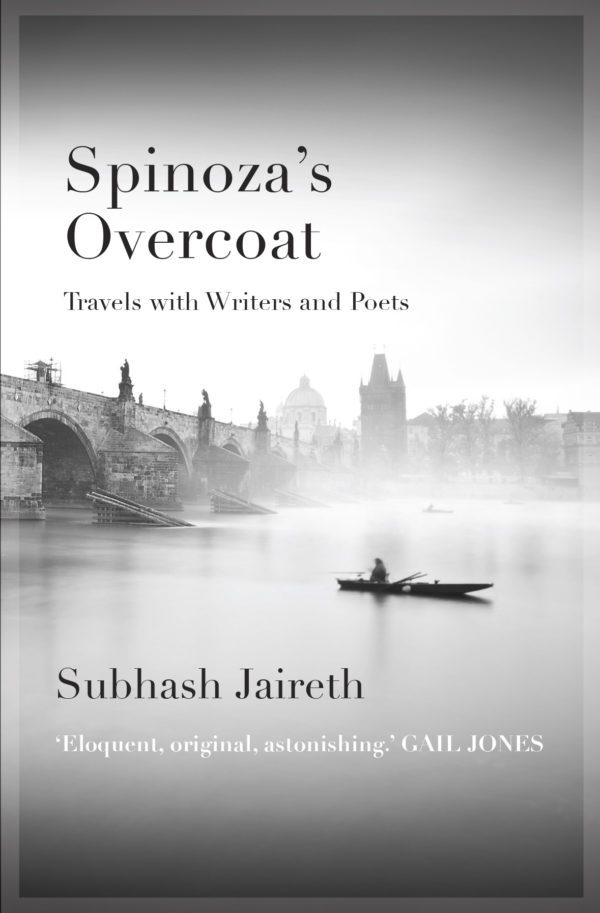
    Spinoza’s Overcoat: Travels with writers and poets

    “I hope reading this book will turn its readers into inquisitive explorers ready to open doors and windows to the world of writing other than their own beloved English” Subash Jaireth.

    Subhash Jaireth’s work Spinoza’s Overcoat is an absolute marvel in the use of language, of words; their rise and fall, rhythm and tempo reaching out to tell the story of a poet, an author, who through the wonder of words, has sketched a story which went on to influence the lives of readers, whom over the many years since the works upon which the essays are based were written, have been many.

    Spinoza’s Overcoat is a collection of twelve essays, each based on a work read by Jaireth over his lifetime, works that have remained with him, enticing, tempting him to go one step further, to create his own work based around these few, or many, words.

    Ottla, Kafka’s Favourite Sister begins with the words, ‘It starts to rain as I step out of my hotel.’ Simple words, but somehow the magic of what is to come has already begun to be woven. By the end of the page, it is impossible not to continue further and further into the amazingly intricate and unsettling life of Franz Kafka, his beloved younger sister Ottla and the tragedy bought about by War. Deeply disturbing, the story is told in the first person, in current times with the end piece providing answers but leaving, hanging in the ether, more questions.

    Another slightly disturbing essay is Spinoza’s Overcoat, which looks at the issues of mental health via the vehicle of Baruch Spinoza, a man considered to be ‘one of the most important philosophers—and certainly the most radical—of the early modern period’ and his overcoat. Paul Celen, himself a poet, is convinced Rembrandt painted Spinoza in one of his many portraits. He decides to go to Amsterdam to visit the House where Spinoza lived and finally died from silicosis at the age of 44 years. Celen is also 44 years but certainly not yet ready for death.

    Jaireth speaks across many languages and cultures with this intense, fascinating and eloquent work which could, in some instances, be considered as almost a biography of the poem or piece of literature which provoked the essay.

    The real beauty of such a work is writers such as Mayakovskii, a Russian poet, considered a genius by his peers, polarised his readers; the fascinating story of poet and writer Ito Hiromi – Killing Kanoko – a story filled with hope and challenge, are introduced or in some instances re-introduced, into the everyday world of literature, dusted down and presented to a new generation of readers, who once again will be enchanted with their writing and poetry.

    As an essay in word craft, presented mostly in First Person, the blend of fact and fiction creates rich emotion, crafted by a teller of stories in love with and holding a true fascination for the written word, which lingers long after the final essay is read.