Tag: naturalists

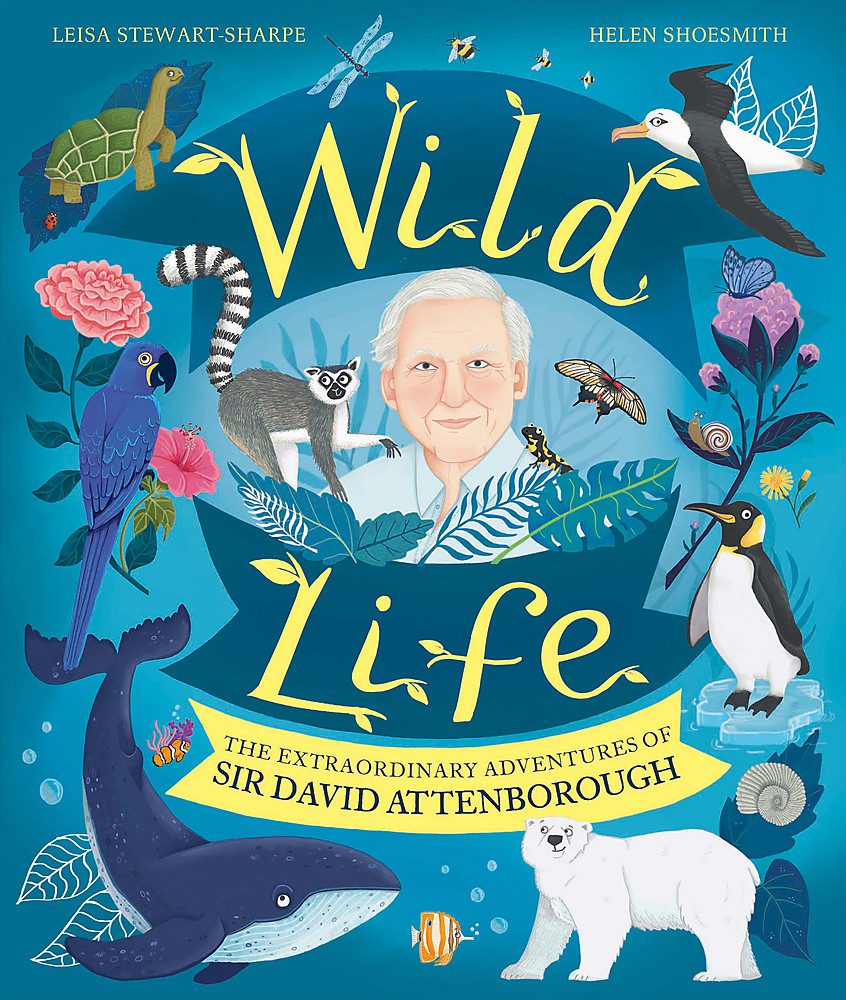
  • Wild Life : The Extraordinary Adventures of Sir David Attenborough

    Wild Life : The Extraordinary Adventures of Sir David Attenborough

    Now known as a ‘Voice for Nature,’ almost everyone has watched David Attenborough’s natural history documentary series forming the ‘Life on Earth’ collection, the comprehensive survey of animal and plant life on Earth, however how it all began is not as well known.

    Leisa Stewart Sharpe in her informative book ‘Wild Life’ has chronicled both his early life and his fascination with nature, which all started with a fire salamander, and his visits to the world’s most extraordinary places.

    Beautifully illustrated by Helen Shoesmith, this picture book not only recounts his filming of some of Earth’s strangest and mysterious creatures, but also the astonishing places he visited in pursuit of his amazing career as a biologist and natural historian; the Australian Great Barrier Reef, Africa’s grassy plains, the damp, forest floor of New Guinea.

    By the time he was 90 years old he had visited every continent on Earth. As a result, he became aware that animals had lost their lives because of the changes happening on our planet, so in his later work he became more vocal in support of environmental causes.

    This is the latest Leisa Stewart – Sharpe non-fiction and picture book for what she calls ‘Earthlings’. It is a wonderfully enlightening book, which is ideal for the emergent readers and young naturalists.
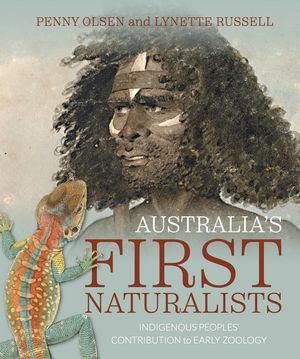
  • Australia’s First Naturalists: Indigenous Peoples’ Contribution to Early Zoology

    Australia’s First Naturalists: Indigenous Peoples’ Contribution to Early Zoology

    When we speak of Australia’s early Naturalists and Zoologists, we often think of Joseph Banks and his fellow scientists. But the very survival of the aborigines depended on an intimate knowledge of all living things. Shown in rock art, the local people understood where certain animals and plants were to be found, when they were to be found and how they were to be treated.

    The first settlers treasured the unusual flora and fauna; they wanted to classify it and saw it as a prize. Aboriginal people valued animals for food, the symbolism and inter connectedness they represented. Some of the animals they perceived as being non-human people. When samples of flora, or animals were sent to England with their Aboriginal names, they were almost always given a scientific name.

    As the population of Australia increased, so some species of birds and mammals were being decimated. These were often associated with sacred symbols or food for indigenous people, but the thirst for knowledge and fame kept the scientists busy. They often sought the help of Aboriginal guides who went on several expeditions, many of which are described in Australia’s First Naturalists with intimate knowledge passed on.

    Australia’s First Naturalists is a fascinating look at the developing colony and how the environment was described, although the true nature of the caretakers of the land was not really understood. Such practices as burning the land to restore it and moving about to allow the land to recover, were not fully understood. The intimate knowledge of the land passed on by stories, song, and dance, was again not fully understood.

    Australia’s First Naturalists is a beautifully illustrated book, with many original plates and articles used which covers the periods from pre-Settlement to Contemporary Aboriginal and Torres Strait Islander Land and Sea Managers and enhances our knowledge of the story of early Australia.