Tag: mental health

  • I Am A Wolf Tonight

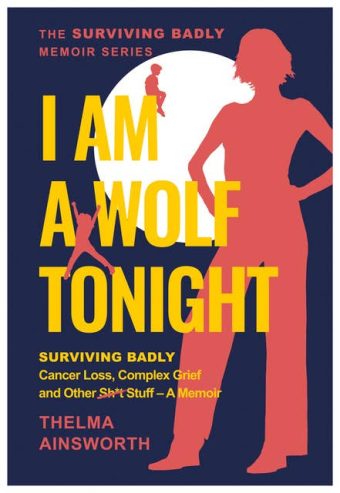
    I Am A Wolf Tonight

    Thelma Ainsworth is like most people; she grew up, studied hard, faced life’s challenges as best she could and eventually married. As a Lawyer in the Royal Air Force she enjoyed her work as a prosecutor and spending time with her friends but realised time and her biological clock, was ticking.

    She met and eventually married, after a somewhat challenging courtship, to use an old fashioned word, Jonathan Ainsworth; she also married his parents and the lifestyle they and Jonathan had developed over many years, which proved as time went on, to be distressing, confrontational and challenging.

    I Am A Wolf Tonight is her story of life with Jonathan and finding a way through the chaos that eventually was their married life together. She shares with candour the distress caused by a domineering mother in law, the lack of love and comfort from Jonathan, the difficult births of both their son’s and the lack of empathy shown to her during a severe and debilitating time of post-natal depression.

    When Jonathan, a research Doctor and Physician was diagnosed with untreatable and fast moving pancreatic cancer she was devastated, inconsolable and in complete shock. In a rare moment of truth and intimacy Jonathan thanked her for showing him why intimacy was so important in a relationship.

    Jonathan passed away far sooner than expected, leaving Thelma to cope with everything that came next. His funeral, his unpleasant and non-supportive family, her desperate distress and two little boys who had just lost their father.

    Thelma Ainsworth has, with truth and candour, written a brilliant memoir of life, family, friends and what happens when it all goes horribly wrong, which will resonate with anyone facing similar challenges.

    I Am A Wolf Tonight is the first book in the Surviving Badly Memoir series which concludes with Thelma facing up to her future as a widow, a mother and sole income earner for her little family.

    Book two will continue her journey as she takes the first tentative steps into a completely different lifestyle she feels ill equipped to undertake, but is determined to do it, fear and all!

    In writing this memoir she wants to tell her story, not because she feels any more special than anyone else, but to tell her story, her way, to finally find her voice! In doing so she reaches out to others travelling a similar pathway, to encourage them to find their voice, to find their audience and to tell their story.
  • Everything Anxiety Ever Told You Is a Lie

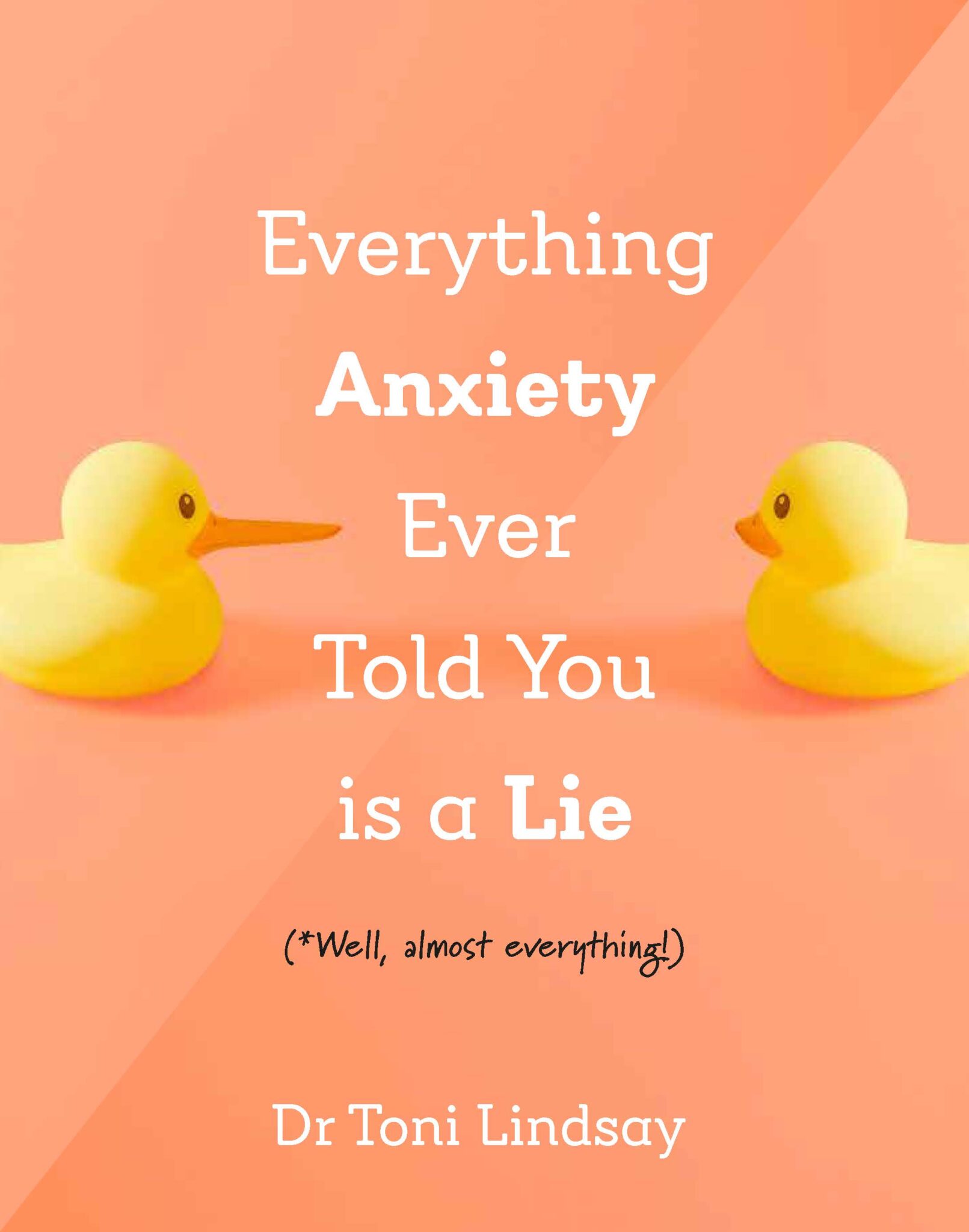
    Everything Anxiety Ever Told You Is a Lie

    There are a great many books on anxiety published. Everything Anxiety Ever Told You Is A Lie is different. The cover and the hardback A4 size format indicate it is aimed at a younger audience. There is no long and tedious introduction, just a statement, “I am about to blow your mind!” The text is large and well-spaced on a white or slightly coloured background.

    The first thing we learn is that the brain has about 6,000 thoughts a day. The brain’s main function is to help us problem solve and to keep us safe. When we are feeling overwhelmed, we have more negative thoughts which are less often based in reality.

    Often, we don’t recognise this. The author then discusses ancient people who needed their brain to be on alert for danger and survival. We need our brain to be alert for situations that may arise, for crossing the street, and other daily challenges. Anxiety is very hard to keep just for special occasions though.

    Dr Lindsay suggests some exercises which may help check our runaway thoughts. She challenges us to visualise our anxiety. Is it a “Person, animal, a shape, a colour or a feeling in your chest?”  Next, she suggests having a game of tug of war with your anxiety, but you let go of the rope and he/it falls on its bum. You wouldn’t need to fight anymore; you could use your energy to do a few things.

    The next few chapters are used to identify early warning signs in the body. There are exercises to help with recognising these signs and working with them. Each chapter moves clearly forward to address other issues such as shame, guilt and sadness.

    There is so much clever and well targeted advice in this book for young people.  One of the tips is,” Put down your devices, the light and dopamine we get from our screens is like crack for your brains.”

    With a positive ending, showing how we mostly do the best we can Dr Lindsay acknowledges that we all have anxiety forever. The goal was always “to work out how you can live your life the way you want.”

  • Grandma Forgets

    Grandma Forgets

    In Australia during the month of September there is an additional focus on Dementia, a condition which strikes families indiscriminately with changes that are far reaching and can, for all members of the families involved, be terribly difficult to accept.

    Paul Russell has, along with the wonderful illustrations by Nicky Johnson, woven a story about a little girl and her Grandmother who, one day, can’t remember her name, offering a fresh look at this debilitating condition and reminding us all, that while beloved family members may not remember your name, they should always know they are cared about and loved.

    As the little girl has grown up she has spent a lot of fun times with her Grandma; fun times that have been created into great memories and funny stories to tell and remember: things like travelling to the beach in Grandmas bright blue car, always being told you look lovely, even when you looked a mess, a car of old ladies, including Grandma, going to bingo and having fun; There are so many memories in the little girls mind, so many wonderful memories stored away.

    Somehow, it does not seem to matter that Grandma can’t always remember her name, can’t always remember the fun times and now has to live in a small room with a comfortable chair. Even though Grandma forgets the rules of the game, she always smiles and claps along. She is still Grandma.

    Sometimes Dad is sad but holds onto all the many memories for them both. The little girl and her family now begin to make some new memories for them all and each time they see Grandma, the little girl always tells her that she loves her and it does not matter that she, Grandma, does forget.

    As this is a story that is both poignant and educational, it is perhaps best read together, with the various issues that will definitely arise being discussed as they relate to the family unit.

    Beautifully and sensitively written with a great depth of understanding, this book should become an essential part of any reading material required for families when confronted with this issue and would also be a helpful tool, when used in the wider children’s community, to raise awareness of mental health issues.

    For others working in the industry of Health Care this is a book that could be included or offered to families who are beginning to care for a family member who is slowly slipping into dementia.