Tag: medicine

  • THE LAUGHTER EFFECT

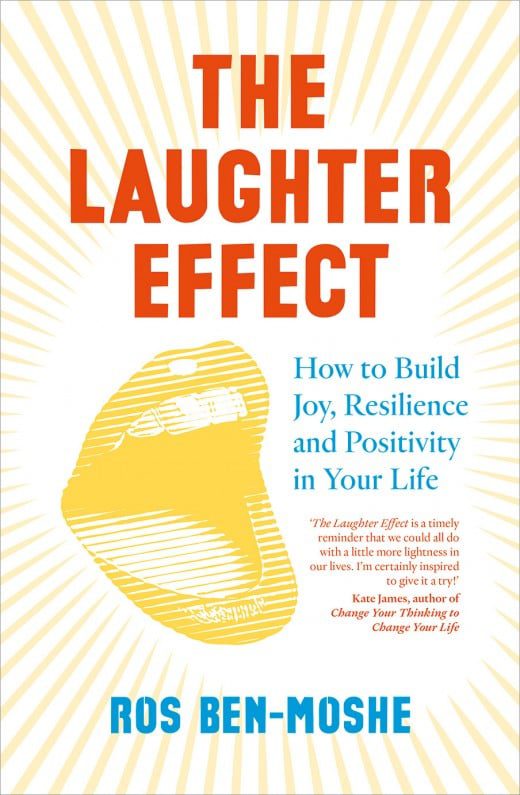
    THE LAUGHTER EFFECT

    HOW TO BUILD JOY, RESILIENCE AND POSITIVITY IN YOUR LIFE

    The subject of laughter is one that we all are familiar with and many embrace heartily. Ros Ben-Moshe has researched many aspects of laughter, including historical records, physical effects on the body and the reaction of the brain to laughter. It is not surprising to learn that children laugh more than adults, and it seems that as we age, we become more controlled with our emotions.

    The Laughter Effect lists many of the references to laughter from history as well as many different religions. One of my favourites is a record on papyrus from ancient Egypt. A woman sitting upon a man’s lap has farted, she makes an apologetic reference to her accident.

    In the Old Testament there are many references such as “Then was our mouth filled with laughter” (Psalms 126:2). Sarah, who became pregnant at ninety, said, “God has brought me laughter.” In the Muslim tradition, it seems that Mohammed laughed and made others laugh. Some of the Dreaming stories refer to Venus when it twinkles while it is low in the sky. They believe an old man has told a rude joke and is laughing.

    The author then explains the effect on the brain when we laugh. We know that serotonin is released from the brain and helps to adjust our mood. There are also many subtle changes which are being examined. It is believed that people who laugh a lot live longer and happier lives. Laughter therapies are shown to be medically beneficial, and suitable for all ages. Laughter Yoga and Laughter Wellness classes are being introduced to fill a void in the laughter therapy world.

    Using case studies and some ordinary “Mum jokes”, Ros shows us the importance to our body and soul of sharing and enjoying laughter at every chance.
  • The Art of Dying

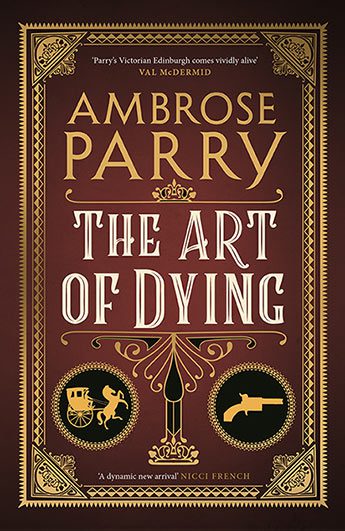
    The Art of Dying

    This most enjoyable Historical Fiction, The Art of Dying, is written by a husband and wife team, under the pseudonym of Ambrose Parry. Chris Brookmyre is an award-winning author and his wife, Marisa Haetzman, is an anaesthetist. They have combined their talents superbly, to produce this second novel. The first novel introduced us to the main characters Will Raven and Sarah Fisher. Both novels are set in Edinburgh in the mid 1800’s.

    In “The Art of Dying,” we are introduced to a world of medicine that often leaves the reader aghast. Chloroform has just been discovered as a form of anaesthetic, and its uses are still being explored widely. One doctor takes a small amount each evening after his meal to study the effects. There is professional jealousy about the person (Dr Simpson) who claimed to be the first to use it.

    In this book, Will Raven becomes an assistant to Dr Simpson, a man of great humanity and kindness. Will has completed his medical training and has been abroad for twelve months. He now returns to find things have changed. His deep friendship with the assistant Sarah cannot be continued, as she has married another doctor. As Sarah was a housemaid, this was seen to be deplorable. The signs of feminism and equality are beginning to be recognised by a few. The challenges put before women almost seemed insurmountable, but Sarah is not only extremely intelligent, but a fierce learner and fighter.

    At this time, patients who had survived a medical procedure and appeared to be improving, started to die. After a while, it is noted by Will and Sarah that all these people, in different circumstances, had the same symptoms. Some of them were in hospitals and some of them at home. So begins a murder mystery which slowly unravels to reveal the thinking of the times, regarding the poor and deprived.

    Will, seeking the truth about the mysterious deaths, has to work with Sarah. It becomes obvious that he regrets not marrying her himself. His character is exposed as rather ambitious and concerned with the opinions of his peer group.

    The delight in reading this story is the meshing together of these fascinating threads of medicine, murder and romance. The accuracy in depicting the history and the times is reflected in the language used. The characters have strengths and weaknesses, and serve to show how we progress through life with tiny changes that eventually create a whole new pathway. Many of the characters in this book are based on real people, giving it an authentic feel.