Tag: hardship

  • Snake Island

    Snake Island

    The title and the art work on the cover of this book suggest a Western story, dark and foreboding: it is not. While Snake Island is firmly set in Australia, at Pt Napier, the story is indeed dealing with the darker side of human nature. Each chapter looks at another male member of a small country community. The stories that gradually unfold, intertwining families and explaining relationships are weighed down by poverty and loss of hope.

    Bullying is rife in homes, in schools, and later in relationships. In jail for hitting his wife, Caleb is being regularly beaten up by one of the local lads. Brendan is allowed into the jail by the Governor, whose only request is that the beating isn’t too obvious. Caleb’s father hasn’t seen him since he’s been in jail, but the local priest suggests that because Caleb made a mistake, he can still make amends.

    Horrified to find out that his son is regularly beaten, Caleb’s father decides to visit Brendan’s father and ask man to man, that Ernie stop his son from beating Caleb. Meanwhile, to supplement his failing farming income, Ernie is growing and selling Marijuana. It is only a matter of time before something goes wrong with this situation and we watch his plans come to nothing.

    There is little lightness in this book. The love the country fathers have for their children is evident, but they all choose to parent as they have been, so the reader can assume that not a lot will change in the next generation. The character development is intense, as each chapter looks at one particular person and delves into their thoughts and reasonings.
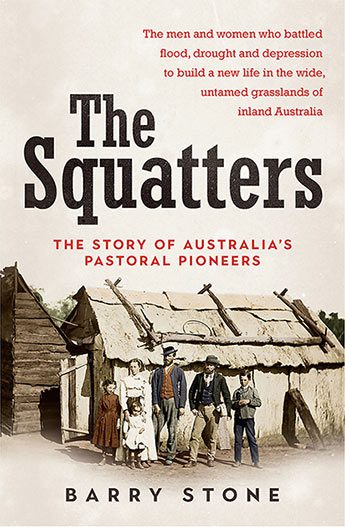
  • The Squatters The story of Australia’s pastoral pioneers

    The Squatters The story of Australia’s pastoral pioneers

    Squatters, who where they and how did they and their legacy become such an integral part of the Australian history makes for an interesting journey into times long gone, reflecting on the tough, often ruthless people who founded the pastoral industry, which for many generations provided immense wealth to a fledgling country and wealth unknown to the many who became and formed the elite group known as ‘The Squattocracy’.

    Australian history is founded on many aspects of new settlement, much of which has been shrouded in folkloric, but is becoming far clearer, far more relevant to modern day Australia as writers and researchers such as Barry Stone, discover a wealth of information that is both fascinating and horrifying in turn, but far more captivating than any glossy version of past times and events.

    In The Squatter he takes a long and very clear perspective on the people who, seeking a new beginnings, escaping from the restrictions of society, headed out to places unknown, taking with them scant possessions, with little or no understanding of what lay ahead, to take up land holdings, some legal and others not, some succeeding and some paying with their lives or their worldly goods.

    Armed with the knowledge of English farming methods, these early pioneers took up the challenge and in doing so built pastoral empires of thousands of cattle and sheep, vast acres of crops, establishing the foundations for what was to become a very prosperous nation.

    These people came from all walks of life, overcoming drought, real challenges and change as the men and women learned, using initiative and determination to build a new life in what was an unforgiving land.

    The other side of the establishment of the ‘Squattocracy’ though is something very different, as Barry Stone has presented; the cost of lives, bloodshed and horror that also built these massive empires. The killing and often massacres of indigenous peoples Australia-wide, in the demand for more land to graze cattle, more land to grow crops and the blatant disregard by these people for human lives are there also with figures which are astounding!

    Stone has presented a very balance perspective of early white Australian settlement, the legacy left behind, the untold riches discovered and what remains of so many of these Empires in modern day Australia.

    Based on diaries, journals, newspapers, myths and legends this is a work which should be viewed as essential reading for anyone who has an interest in Australian history and the men and women who founded a country known as ‘the lucky country’.