Tag: growing up

  • My Brother Ben

    My Brother Ben

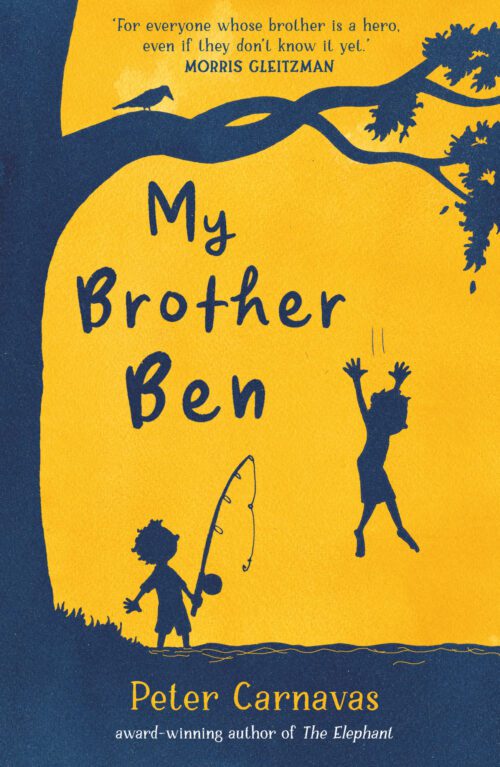
    Beautifully written My Brother Ben from award winning Peter Carnavas is a wonderful, heart-warming story about brotherly love, birds and growing up which is an absolute delight to read from beginning to end.

    Bens brother, Luke, is mad about birds. He can name all the birds in the neighbourhood just by listening to their signature call sign. Finding a dead magpie by the side of the road almost gets him hit by a passing car. Ben comes to his recue, and after the shock wears off, they take the bird home on the basis that it may not be dead at all, which as it turns out, it is not. Maggie then become a well-loved family member.

    Set in the semi-rural area of Deagon, Brisbane, Cabbage Tree Creek to be exact, the two boys lead an idyllic life over the summer holidays, ranging far and wide along the creek. Ben’s overwhelming desire is to own his own boat so they can float down the creek to the Pocket and fish.  Luke’s is to be forever with birds.

    As the story evolves the many conflicts of growing up come into play, with Ben going to high school, another person coming into the neighbourhood, a girl at that, who Ben is friendly with, conflict with his father over his leaving, and his absolute love and passion with birds, becoming the thread that carries the life lessons. To add to the confusing mess, Luke’s beloved Maggie has gone, has not been seen around for weeks and weeks. Luke just hopes she is alright.

    The boys get a chance to try and win a canoe with all the required accessories, in a local competition and set out to see if they can grab this once in a lifetime opportunity. It seems they are up against some serious competition within Bens’ high school friends, but he is convinced that they will win!

    In the attempt to win the prize, brotherly love gets pushed to the very limit, Ben almost drowns when he decides to see if an old wooden boat will still float and the mysterious bird call, heard time and time again by Luke, is finally discovered.

    Funny, witty, and very, very wise My Brother Ben is the prefect read for any pre-teen struggling to work ‘it’ out as they grow up.
  • These Unlucky Stars

    These Unlucky Stars

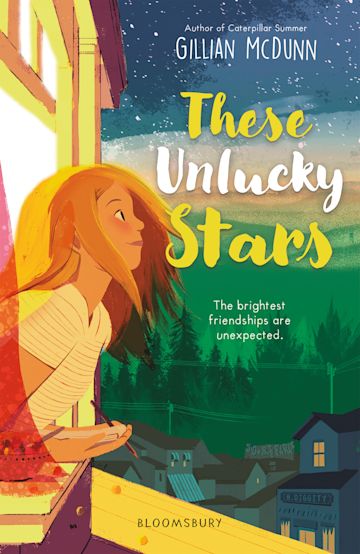
    Annie is a lonely girl. Her mother left the family and with just her father and brother in the house, she feels the family is lopsided. To complicate matters, her brother is a model student, competent and kindly. Annie on the other hand is a dreamer, who loves to sit on the roof outside her window and daydream about the distant mountains. When she is not dreaming, the girl sketches and draws. This is not the way to develop friendships, and to socialise.

    Moving into year seven means that Annie must become more independent and aware. By mistake, the girl meets a neighbour, who has had an accident, and she begins to care for her. Overcoming a fear of dogs, and dealing with a grumpy old woman challenges Annie, along with her sadness at having no friends, and seeing herself as unlucky.

    As the story unfolds, we begin to see that Annie has talked herself into believing that she is unlucky. Gradually she becomes aware that life presents good and bad challenges, and it is how we face these that is important. These Unlucky Stars deals with loss and courage, friendship, and loyalty. It also shows how we are all different and that is to be celebrated too.

    These Unlucky Stars is an entertaining story with a moderately complex text for older readers to enjoy. It shows that we can all change the way we think no matter how old, and that making friends and listening to people helps us see the world differently.

  • Rebellious Daughters

    Rebellious Daughters

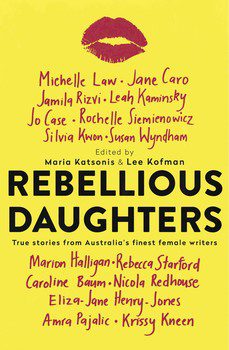
    To be a Writer and write either fact or fiction is one thing, but to decide to contribute to such a work as Rebellious Daughters, exposing a small, but incredibly important aspect of your family life and coming of age, is a completely different story.

    That seventeen of Australia’s much love and respected female authors have chosen to do this, shows remarkable bravery as, each of the people in these stories are still very much a component of their lives, their families and as such, can either be deeply offended by what is written or finally enlightened as to what that ‘rebellious’ phase was all about.

    Each of the stories is poignant, occasionally sad, many times well worthy of a chuckle as you recognise yourself in the words, and in each case confronting, as we each had to grow up, face the challenge of breaking out of the patterns or expectations established by our parents, which were begun when were all small children.

    Jane Caro, in Where Mothers Stop and Daughters Start, shares from a mothers perspective the rebelliousness of her daughters, one moody and introspective, the other full of rage and fury and the angst she and her husband faced as they came to terms with the ‘difficult years’ of their precious children learning to grow up into adults.

    Susan Wyndham shares the tumultuous pathway she travelled looking for ‘A Man of One’s Own” as she grew from a good girl into a confused teen who considered she was ‘obsessed by sex, emotions, etc’, an emotion most young people can relate to as they enter the next phase of their life.

    The Good Girl is the story Jamila Rizvi uses to illustrate just what happens when you are always seen as the good girl who does as she is told and likes or tries to like everyone. But what happens when the new baby sister is full of cheek, does not do what anyone wants and always, even when she has done something so naughty, seems to get away with it!

    Deeply poignant is the story offered by Eliza-Jane Henry-Jones about her grandmother in “Just be Kind’ and is a lesson to us all about kindness and the issues raised when caring for a sufferer of Alzheimer’s.

    Maria Katsonis comes from a Greek background that has strict expectations about the daughter’s role and place within the family structure, so when it comes to challenging the expected norm, tempers fly with deeply hurtful and unforgivable things said, creating lasting scars. She couches this tale in the story of learning to make kafe in the traditional manner and by doing so eventually learns she does have a choice; to either obey or disobey.

    Each of the stories reaches out and in by doing so reassures that you are not the only one coping with rebellion and rage from your teenagers, you were not the only one crashing through the barriers as you grew into adulthood and that whatever you experienced, no matter how dreadful you thought it was, and in some cases it was and is, in hindsight, there was and always will be someone else out there making the same mistakes, creating the same uproar, trying out their fledgling ability to create change and in most cases managing to survive into adulthood, a little wiser and definitely a little older.


  • What a Way to Go

    What a Way to Go

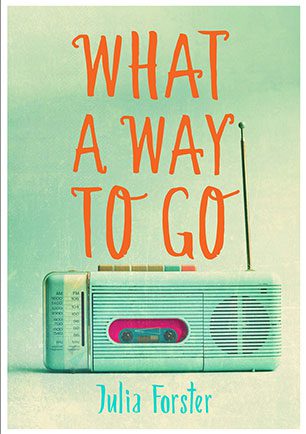
    In 1988 Harper Richardson is twelve years old. Her Mum and Dad are divorced and she lives with her Mum. This is her story about how it feels to go back home with Dad every week and how regular friends change. Harper has to cope with being an only child with a working Mum, and puberty. This is her story and feelings about what goes on in her life.

     The story begins with Harper really wanting her Mum and Dad to get back together again but once she realises that is not going to happen, she plots to help her Mum find a new man.

     Harper and her Mum want to stay in the little house they have found as having moved house several times, Harper is desperate to stay put for a while. The problem is because Harper’s Mum is single, she isn’t allowed to have a mortgage and Harper’s Dad, while not unsympathetic, is as short of cash as the rest of the family, so no extra help there. Dad has joined a group called “The Lone Rangers”, which Harper describes as, “the kids are chucked together to have fun, while the adults get bitter about their exes.”

     In a very sincere twelve year old way, Harper describes situations which are quite humorous, but she sees as normal behaviour. Her Dad bulk buys food, with a low shelf life and is still eating baked beans a year after the use by date. “It’s because of the war”, Harper confides to her friend.

     There are so many challenges in this young girl’s life that it is amazing that she keeps so positive. Maybe it’s the scheming and plotting she does. For example, she places an ad in the lonely hearts column, for a man to meet her Mum. She and her friend intercept the man and explain that they want to check him out first if that’s OK?

     Being nearly thirteen is hard enough for a girl, but then puberty hits and her emotions are all over the place. Her Mum helps, but as they’ve taken in a boarder who is a friend of Harper’s Mum, things get busy. Then Kit, the boarder, discovers he has advanced lung cancer and declares he wants a home death. He brings home his coffin, so he can adjust to the idea.

     There is a great deal of humour, pathos and sadness in this story, but it reflects the way people cope under extreme pressure, and mostly they do it very well. As for Harper, things take a positive turn and her Mum marries at the last moment, bringing with it a positive change to their fortunes.

     This is a clever and authentic tale of one girl’s battle to understand the world of adults and their behaviour quickly, so that she may be able to make a difference.