Tag: folkloric

  • The Little Book of Trolls

    The Little Book of Trolls

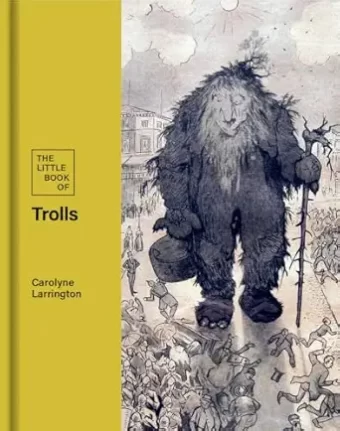
    Carolyne Larrington is an Emeritus Professor of Medieval European literature at Oxford University. She has published a book of Dragons in this series now followed by The Little Book of Trolls whichbegins with the question, “What is a troll?” We are told that a troll is a “Scandinavian folkloric being, usually imagined as very large, ugly and malign.”  The creature usually lives in the wilderness but often has contact with humans.

    The troll tales have been passed down through the generations as oral poetry and recorded in Iceland in the medieval period. Recently the stories have been collected and published in Scandinavia and these stories were then translated bringing the idea of a troll into the English language. This become widely spread then after the story of the ‘Three Billy Goats Gruff’.

    Inspired by the ‘Tales of the Brothers Grimm’, Jon Arnason brought the Icelandic folktales together in a collection which was published in the 1860s.These tales helped to form a national identity in Norway and Iceland which were subordinate to the Danish crown.

    This motivated others to emulate the stories and a Swedish Annual (Among Brownies and Trolls), which began in the 1970’s is still published. This contains stories which are new as well as older tales.

    The Norwegian, Theodore Kittelsen is famous for his troll illustrations. This book tells of trolls in contemporary society, in movies, as collectibles and fantasy literature. There are also trolls who hide in social media and may cause a threat.

    A legendary Icelandic tale tells of a hero called Ketill. He discovers a troll’s storage pit which holds salted meats stolen, and human remains. Our hero is so disgusted that he empties out the pit.

    After many incidents, Kettil finds himself in bed with an ugly troll woman who he must kiss. On awakening the next morning, he discovers the woman is his lost and lovely fiancé. There are so many delightful stories in this book and they are wonderfully enhanced by the splendid ancient illustrations.
  • The Nameless Ones

    The Nameless Ones

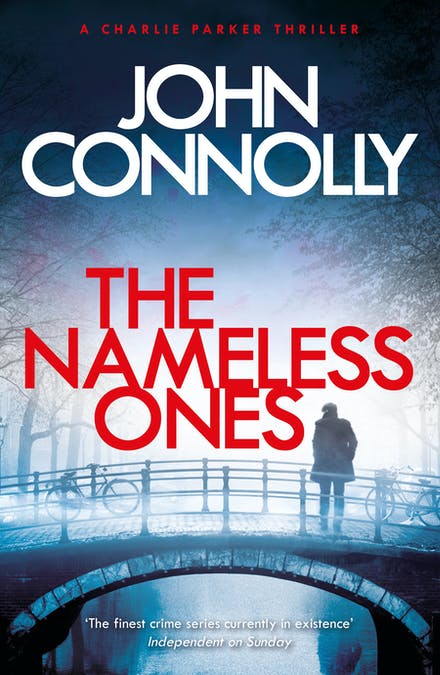
    To everything there is a dark side, a side people are aware of but seldom, if ever, encounter: then there is the world of sadistic cruelty that is buried deep. The Nameless Ones from John Connelly explores this darkness on several levels through the world of organized crime, a world where life is cheap, expendable; a world where sadistic pleasures are catered for and corruption is the name of the game.

    When four people are butchered in a house in Amsterdam, their remains are left as a warning or was it pay-back. The men responsible believe they can get away with what they have done by crossing into Serbia, but they have failed to recognize Serbia is going through a transformation, seeking a place within the Economic Union.

    To achieve this, the gangs who have held political sway for many years need to be bought under control therefor the people who have carried out the atrocities in Amsterdam, are now on the wanted list and retribution is sought by those in power.

    Assassin for hire Louis, has agreed to come to Europe to seek out the killers, which through a variety of means he eventually does, until he realizes there has to be one more killer, six, not five, but who could it possibly be is an unanswered question.

    Two women, both existing in the in-between world of the dead, which according to Serbian folkloric allows them to slide between two worlds, are known as Rusalki; female entities that stay eternally youthful, formed from the souls of young women who have drowned, and are out for revenge for one reason or another. Somehow these women seem to be in places they should not be, at times when it is unexpected.

    Louis and Angel (Louis’s boyfriend) work together to discover the sixth killer, a killer who needs to be stopped before the already inflammatory situation becomes worse, but it proves far harder and more chillingly dangerous than they ever imagined.

    Connolly has combined pure menace with ancient folkloric beliefs, mixed in with superstition, based in a world of political intrigue to create a chilling masterclass in crime fiction, in a country where past is present.