Tag: fairytales

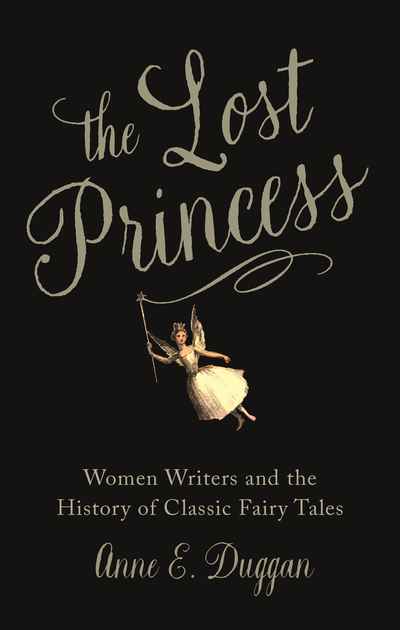
  • The Lost Princess: Women Writers and the History of Classic Fairy Tales

    The Lost Princess: Women Writers and the History of Classic Fairy Tales

    Most of our population has grown up with Fairy Tales. Many children and adults have viewed the Disney version of Cinderella, and Beauty and the Beast. In all cultures there are stories, tales which have been passed down the generations.

    The Australian Indigenous people had tales that showed landmarks if you were lost and the location of water. Their Dreaming also shows ways to live and punishments if rules are broken.

    Anne Duggan has produced a reference book for scholars in which she has left no stone unturned in locating the source of many of our most famous Fairy Tales. Imagine the surprise when she discovered that it wasn’t the likes of Hans Christian Andersen, or the brothers Grimm, or Perault who initiated these tales. Their history goes back to much earlier times.

    Women writers in France used to congregate in various Salons where they shared stories and ideas, they had collected from women story tellers. This was happening from the 1400’s onwards. Values and morals were vastly different in those days.

    “Excavating History,” to create The Lost Princess: women Writers and the History of Classic Fairytales has led Anne to some remarkable origins and aspects of some Fairy Tales. We accept a Cinderella who patiently puts up with drudgery and abuse and is rewarded in the end with the prince’s hand and heart. But in earlier versions of this tale, Cinderella was merciless to her stepmother and not very forgiving of her stepsisters. There is plenty of blood shed and revenge in these tales with this not so meek character.

    Anne Duggan has looked at tales from many countries and has spared no detail to bring us the truth. Women from the beginning have been the story tellers and these early women remain unacknowledged until now.
  • In Defense of the Princess: How Plastic Tiaras and Fairytale Dreams Can Inspire Smart, Strong Women

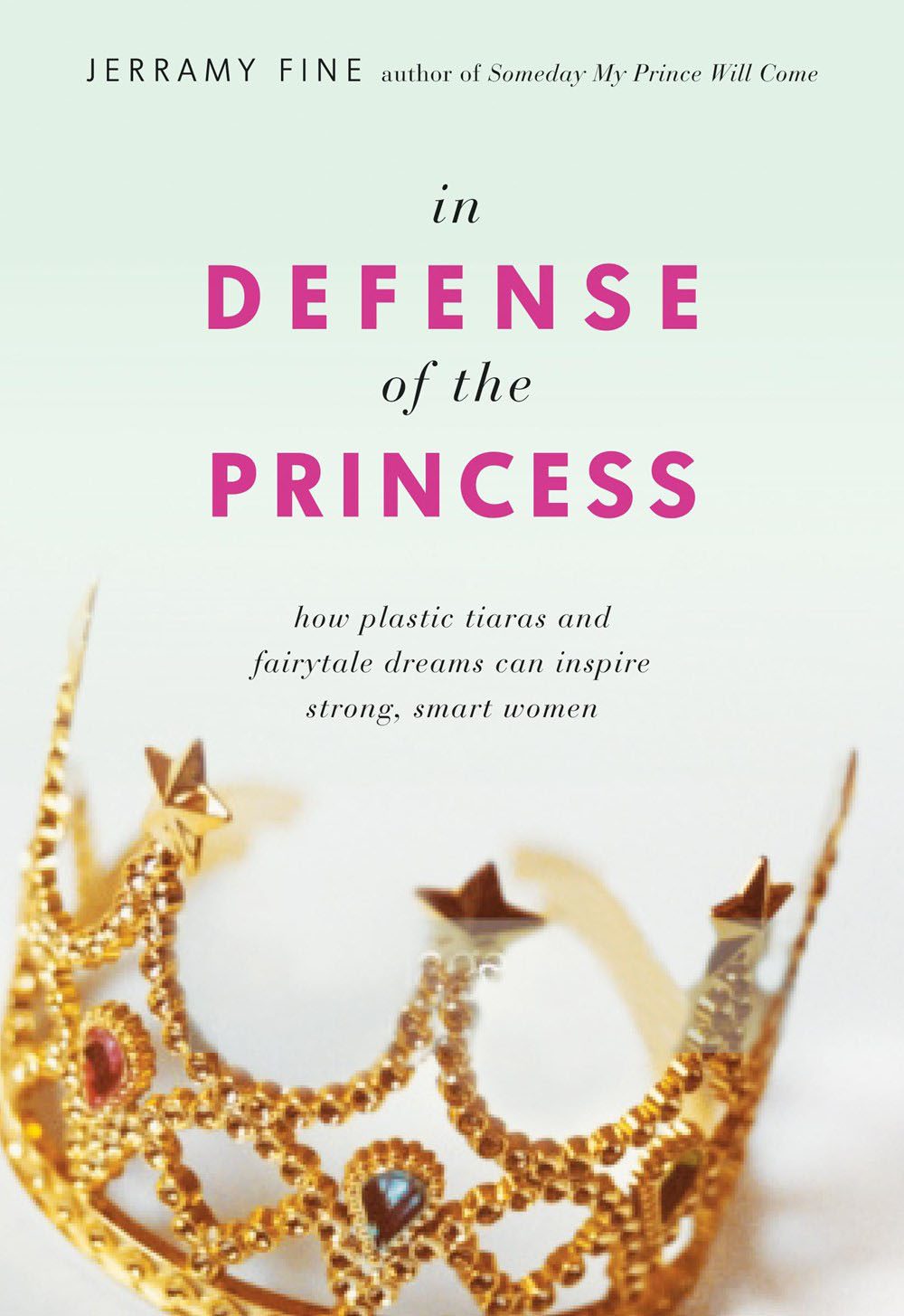
    In Defense of the Princess: How Plastic Tiaras and Fairytale Dreams Can Inspire Smart, Strong Women

    The author was raised by a hippy, feminist family. Her mother never wore a bra, and would NEVER consider a princess dress for her daughter. Even the author’s name, Jerramy, is one we usually associate with a male. As a child, she did dream of owning a tiara, wearing a princess dress, and living in a castle. For school, she actually made a castle and dressed as Rapunzel. All princesses are worthy and all need defending, according to Jerramy.

    Disney Studios have produced many films about princesses. There is much debate about how these may affect the young girls who watch these films in wonder. For the author, the moment “when Rapunzel saw the Royal symbol on the tower and finally realised who she was…. a princess who was lost and found”. The debate then continues with the recognition that early Disney princesses were “meek and mild”, however, later characters show more resolution and spirit.

    “When our daughters dress in their princess regalia, they are not attempting to be sexual objects…. they are asserting an ancient feminine force”. The author defends this statement by saying that children dream big before they are squashed by society. The princess phenomenon is an attempt to bring the “intrinsic princess archetype to life”.

    When actress Emma Thompson said “marrying a prince is not a pre-requisite for being a princess”, she alluded to the princess theory. As the author makes the point that if all unacceptable male behaviour could be labelled “not enough Prince”, and boys were brought up to revere that status, society could see a shift in unacceptable behaviour.

    However, for those puzzled women who never had, or wanted a princess dress, life can continue to be richly rewarding and satisfying.