Tag: daughters

  • Daughters of Eve

    Daughters of Eve

    There is great news for readers of Crime Fiction. A new South Australian author has emerged. She is passionate, has a keen eye for realistic characters and a dramatic style of writing which is hard to put down. Nina D Campbell has written Daughters of Eve using the theme of domestic and sexual violence as her base. She uses a multisided approach, and her male characters are often respectful and cooperative.

    The story begins dramatically when a top Sydney lawyer, known to defend many a guilty predator, is shot on the steps of the courthouse. Emilia Hart, who is a Detective Sergeant, was following him down the stairs and tries to resuscitate him, but the pattern of bullets in his chest means a swift death. She immediately begins to activate investigations and to gather information for the team.

    Back at headquarters, a tactical response has begun. The stage is set when notice comes in of another shooting. In the next few days there follow many other shootings. The army is called in to keep the city safe. But what is the link between these assassinations.

    As she speaks to next of kin, DS Hart begins to see a pattern of domestic violence emerge. Then it appears, a pattern of sexual violence is also a factor in the murder enquiries. Personal experience and a desire to address wrong doings spur Hart to explore all avenues.

    Daughters of Eve unfolds seamlessly with each step presented; the flow is smooth. Suddenly there is a dramatic twist when Emilia’s family become involved. This story could become rather grim, but is saved by the humour, and a sense of justice portrayed. Nina Campbell has broken pulp stereotypes and used clever storytelling to great effect. Can’t wait for the next book!
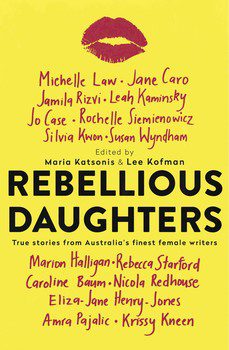
  • Rebellious Daughters

    Rebellious Daughters

    To be a Writer and write either fact or fiction is one thing, but to decide to contribute to such a work as Rebellious Daughters, exposing a small, but incredibly important aspect of your family life and coming of age, is a completely different story.

    That seventeen of Australia’s much love and respected female authors have chosen to do this, shows remarkable bravery as, each of the people in these stories are still very much a component of their lives, their families and as such, can either be deeply offended by what is written or finally enlightened as to what that ‘rebellious’ phase was all about.

    Each of the stories is poignant, occasionally sad, many times well worthy of a chuckle as you recognise yourself in the words, and in each case confronting, as we each had to grow up, face the challenge of breaking out of the patterns or expectations established by our parents, which were begun when were all small children.

    Jane Caro, in Where Mothers Stop and Daughters Start, shares from a mothers perspective the rebelliousness of her daughters, one moody and introspective, the other full of rage and fury and the angst she and her husband faced as they came to terms with the ‘difficult years’ of their precious children learning to grow up into adults.

    Susan Wyndham shares the tumultuous pathway she travelled looking for ‘A Man of One’s Own” as she grew from a good girl into a confused teen who considered she was ‘obsessed by sex, emotions, etc’, an emotion most young people can relate to as they enter the next phase of their life.

    The Good Girl is the story Jamila Rizvi uses to illustrate just what happens when you are always seen as the good girl who does as she is told and likes or tries to like everyone. But what happens when the new baby sister is full of cheek, does not do what anyone wants and always, even when she has done something so naughty, seems to get away with it!

    Deeply poignant is the story offered by Eliza-Jane Henry-Jones about her grandmother in “Just be Kind’ and is a lesson to us all about kindness and the issues raised when caring for a sufferer of Alzheimer’s.

    Maria Katsonis comes from a Greek background that has strict expectations about the daughter’s role and place within the family structure, so when it comes to challenging the expected norm, tempers fly with deeply hurtful and unforgivable things said, creating lasting scars. She couches this tale in the story of learning to make kafe in the traditional manner and by doing so eventually learns she does have a choice; to either obey or disobey.

    Each of the stories reaches out and in by doing so reassures that you are not the only one coping with rebellion and rage from your teenagers, you were not the only one crashing through the barriers as you grew into adulthood and that whatever you experienced, no matter how dreadful you thought it was, and in some cases it was and is, in hindsight, there was and always will be someone else out there making the same mistakes, creating the same uproar, trying out their fledgling ability to create change and in most cases managing to survive into adulthood, a little wiser and definitely a little older.