Tag: convict

  • The Captive’s Song

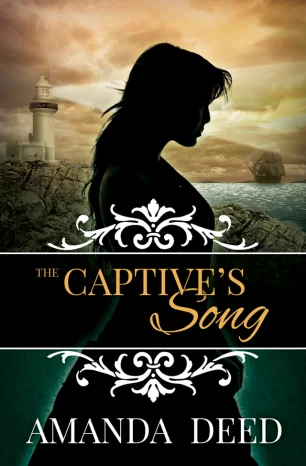
    The Captive’s Song

    Transportation of prisoners from England commenced in 1788 and continued to Van Diemen’s land (Tasmania) at least until 1853. Of the 164,000 convicts transported approximately 25,000 were women. Award winning author, Amanda Deed has drawn her fictional women characters from real women’s stories and their suffering at the hands of a brutal penal system.

    Charismatic Olivia Cruikshank, who was transported for six years for a petty crime to Van Diemen’s, has lost all faith in mankind. Although popular among her fellow convicts incarcerated in The Female Factory’, she trusts few and is wary of most. Initially she is very suspicious of the new staff member Michael Reeves (Micky), who treats the women very differently from the long term existing, sadistic jailors. 

    Believing she has no family and a bleak future, Olivia frequently finds herself in front of the magistrate, who sentences her to more time and even more severe detention in the foul-smelling dark cells. Can Olivia’s gift of a beautiful singing voice and Micky’s Christian faith and genuine interest in Olivia make a difference?   Will Olivia find a way to come to terms with the past and find the ability to trust again?

    As a result of her thorough research, the author has been able to construct a page turning narrative of Olivia and Micky’s life and relationship, which gives the reader a greater insight into the cruel treatment, and punishment of the vulnerable convict women by their wardens.
  • Fled

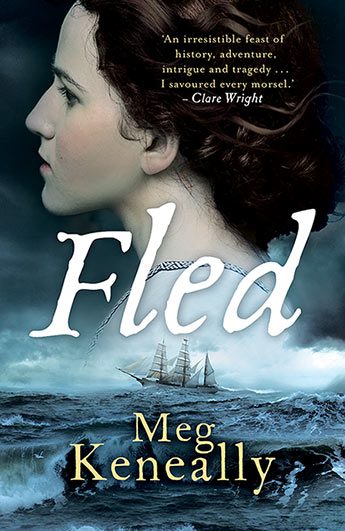
    Fled

    Fled is a debut solo novel for Meg Keneally who has produced several other books in conjunction with her father, Tom. Australian Historical Fiction is a fascinating subject, and the author has presented a wonderful story showing much knowledge of the early days of Australia, and the people who came here.

    Based on the true life of female convict Mary Bryant, the facts known about her are used to develop the character of Jenny Trelawney. The author felt she couldn’t put thoughts and words in Mary’s mouth, so used a fictional woman to play her part.

    The story begins in Cornwall in 1783. The Trelawney family are struggling to survive as the fish stocks are depleted, and the King is demanding higher taxes on things such as salt, (used to preserve the fish). In desperation Jenny leaves the family and lives in the forest where she waylays people and steals from them. Eventually she is caught and sent before a judge. She is sentenced to transportation to Australia.

    The First Fleet have just left, and so the waiting convicts are housed in a hulk on the river. The conditions are filthy, and it is here that pecking orders begin to emerge between the women. Jenny has a sharp mind and degree of acumen which helps her to plan ahead.

    After a horrendous journey and the birth of her first child, Jenny and the other convicts arrive at Botany Bay. She realises that she needs a partner, and convinces Dan, a fellow convict and a fisherman, to marry her. They survive by being permitted to go fishing together, and she is a great partner, mending nets and managing the boat.

    The Colony is struggling as the crops have failed and the wild animals are hard to catch. Always in the back of Jenny’s mind is the thought of escape, and the way to do this is by the sea. For several years, they fish and try to stay out of trouble, but a story is told about Dan which could have him hung. After Jenny’s intervention, he is flogged instead, but after that, he is a changed man.

    Eventually Jenny and her children do manage to escape, and their small boat has a few extra men. The story from here is extraordinary with nothing but the small boat and a few supplies between them and death. From New South Wales, they sailed the boat up to Cape York, across the Arafura Sea, then across the Timor Sea to arrive on an island in Indonesia. It is here that Jenny has the peace she has always dreamed of, and she begins to build her own fishing fleet.

    Mary Bryant is well known for her amazing achievements, her wit and sheer hard work. This story, using all that is known of her, is a great tribute to a woman, whose desire for freedom and justice drove her to accomplish the nearly impossible.