Tag: cello

  • MELODIYA

    MELODIYA

    All embracing the first song on the recent release from Han Christian, Melodiya, is absolute perfection in enchantment. Soft, delicate and dreamy The Gift is tranquility in song.

    Thomas Barquee, pianist and producer of many beautiful chant/devotional albums joins Hans Christian on five of the beautiful songs that make up this new album, a work that commenced some eight years ago, after Barquee showed Christian two piano sketches he had ‘laying about’.

    Various tracks recorded over the years were revisited and he realised the music had an ability to resonate deeply several years on from the original compositions.  Completed in early 2024, Melodiya has come together as a mixture of elements, ranging from neo-classical pop to sweeping, cinematic elegance.

    At just over eight minutes long the richly layered The Promise is a song in which to immerse your soul, allowing the gentle music to soothe and relax. This is the one song that stands out in a collection of amazing songs.    

    Opalescence is Christian with on his beloved ‘cello, adding some serious additions which shift what commences as a classical melody placing it firmly in the neo-classical pop genre. Gentle in parts, catchy and up tempo in others, the song has a lovely percussive bass which anchors it in the here and now!

    Barquee carries the melody of That One Thing while Christian adds the various instruments to create a somewhat intriguing pot pourri of influences, generating visions of wide open spaces wafting into intimate chamber music which floats across the ether and is reminiscent of the gentle music of David Darling. 

    An Echo’s Soul is spacy, airy, transient and otherworldly, making the perfect song to complete a voyage of gentle perfection to a place and time that is magical, mysterious, deeply personal and immensely enjoyable.

    MELODIYA is now submitted to the GRAMMYS® for consideration as “Best Album in the New Age/Ambient/Chant” category.
  • Goddess of Edges

    Goddess of Edges

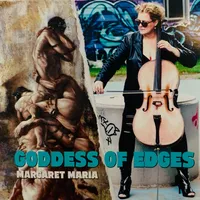
    To create her music Margaret Maria believes she has to go into a space and place where she is alone, friendless, almost between worlds; a subliminal place where the music flows, note by note until it forms into a cohesive shape; rich, challenging, soothing and divine.

    Goddess of Edges, her latest release encompasses all of these elements within the first track Heart on a Platter, an edgy, sharp, intrusive piece which in some ways is full of edginess, before it mellows, then returns to a full and staccato finale.

    Rich in emotion Loves Loving Love, is soft, delicate and full of contrast. This glorious enveloping piece is a rather luxurious song, which simply drifts as it unfolds with dreamy languor which is interrupted by She Burns, a fast paced, deep, almost confrontational piece that is definite, forceful and rather fascinating.

    Softening the mood once again is the delightfully intriguing Goddess of Edges, the pure notes of the cello reaching out, enticing, layered, gentle and yet robust, allowing the cello to sing á siren song.

    In life, how many time have we been tempted to dance close to the edge, to hold hands out to the flames, to try and see what will happen if we only dared.  Dancing Off the Edge captures this tumultuous place we all have with delightful aplomb; fast, abstract and grating at times, the mood then slows to mellow, before increasing in tempo one again as the bow dances towards the edges of what can be achieved, before returning to the safety of music well understood.

    Deep, moody, almost despairing pieces are Shame on an Angel and Dying Angels Lament both of which stretch the boundaries of imagination and can be translated however you choose; The tragedy of the world in which we live, the suffering endured by the Divine as they in their gentle way try to lead civilization to a better, safer place. Both pieces fractured, demanding and slowly moving into a place of acceptance.

    The final song in this rich and varied work is the lovely She Wishes which soothes the soul, gentles the mind and relaxes the Spirit as once again Margret Maria has challenged the boundaries, faced the edges of reality, encompassed love, sadness and pain to allow these emotions to flow, to emerge once again refreshed and at peace.

    Goddess of Edges describes Margaret Maria’s music to perfection; she redefines neo classical music, pushing the boundaries, allowing her cello to reach the very edges of classical music notation with style, grace and pizazz.

  • Violin and Cello

    Violin and Cello

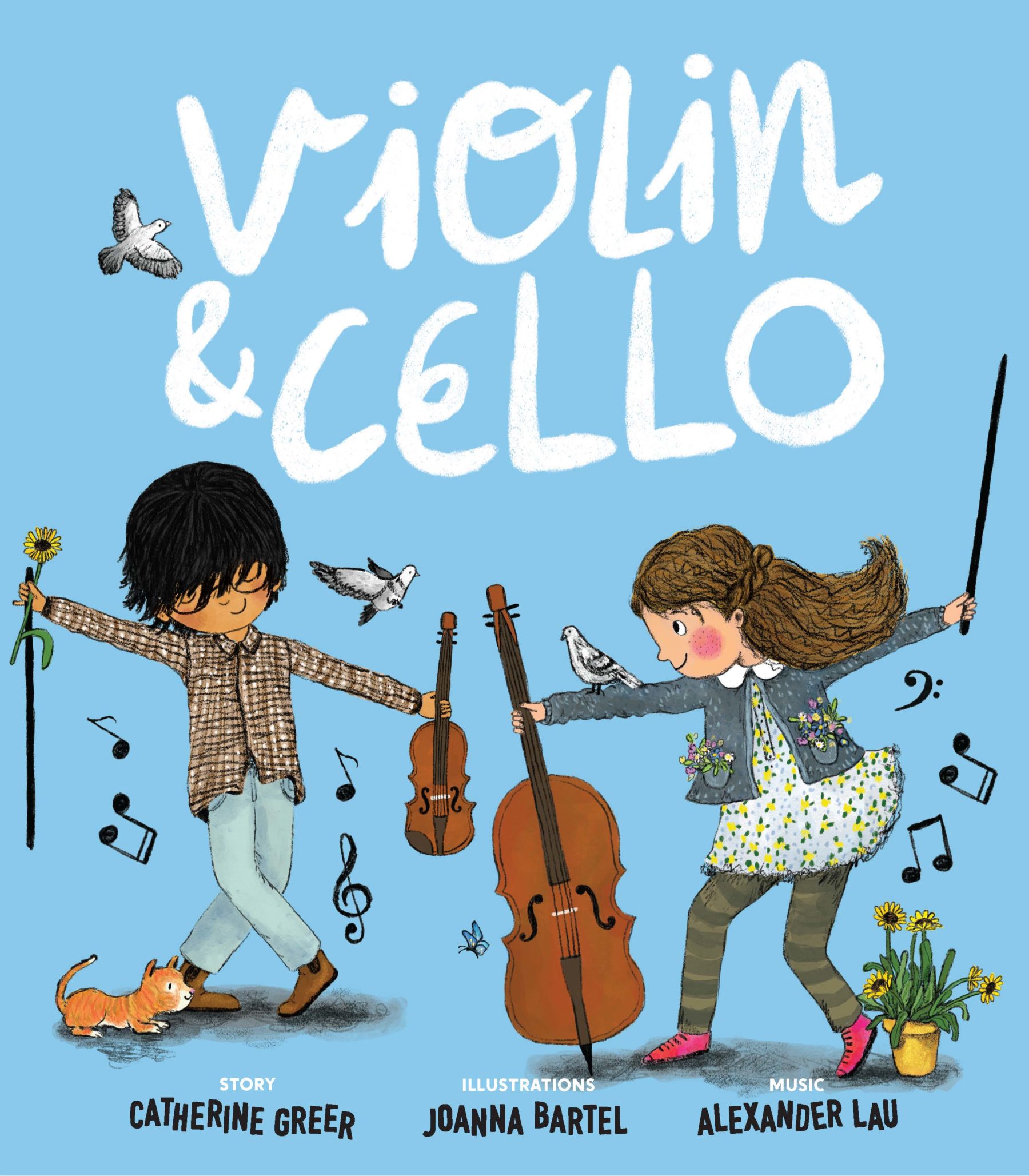
    How thrilling! An author who has thought to include musical children in a story book. The Picture Book Violin & Cello is for younger children who are beginning musicians and facing the idea of practising alone. The story acknowledges the unique personality that budding musicians have and the dedication needed to improve.

    The two children in the story live in adjoining apartments in a tower block. They have never met, but one plays the violin, and one plays the cello. After many months of practising and listening out for each other, the boy sends the girl a secret message in the way of a piece of music.

    It is called, “The Mystery Friends.” Part 1 Allegro. Separately they played the music. Then the girl sends the boy a piece of music, “The Mystery Friends Part 2 Adagio”. Again, they practice separately but listen out for each other. Then they have a great idea.

    Violin & Cello is a wonderful piece of literature involving music. The text is splendid, with the author, Catherine Greer stating about children learning music, “It was tricky, it took some time.”

    The music when described, winds its way across the page. “Cello from backpack. Violin from case.” Minimal text, but now beautifully the illustrator Joanna Bartel takes over the story. She fills in the details with drawings of the two characters which show their enjoyment and dedication.

    Musician Alexander Lau has written the music for The Mystery Friends part 1 and part 2 which is an original duet for violin and cello, and simple enough to be played by young musicians. What a fantastic combination of three very talented artists.

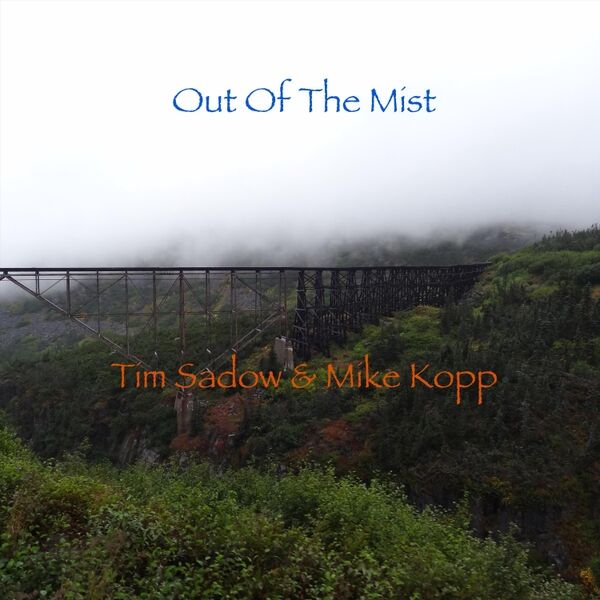
  • Out of the Mist

    Out of the Mist

    Out of the Mist is a refreshing collection full of light with a somewhat quirky overlay, that appears to emerge out of the mists of time, which for so long have been filled with doom and gloom.  

    The duo of Mike Kopp and Tim Sadow combine guitar and violin to create some amazing sounds that certainly move the mists of time to some other place with a belting, catchy beat that adds yet another dimension to the combination of guitar and violin, which defines music is truly for everyone.

    This is ably demonstrated in As the River Runs which segues from a modern, almost pop tempo to a classical rhythm, capturing the often idiosyncratic behaviour of a river rushing endlessly on its journey.

    Song of the Circle sees the violin in full flight, creating a beautiful piece which leads to the wonder of where a circle begins and ends before Desperate Measures bursts out into a sound which simply rocks.

    Tim Sadow gives a new dimension to violin bringing the sound out from ‘classical fustiness’ into a fresh new light, to what could loosely be described as Pop for a discerning generation! Mike Kopp adds to the belting, driving, captivating and often gentle rhythms, with his acoustic guitar and when required, some serious bass work.

    Space Chatter is a notable piece in amongst an album of notable pieces, as it changes direction into what could vaguely be classed as world music. This piece is a wondrous collection of beats with possibly a Celtic influence, which verges into what could also be considered as a totally freewheeling jam session: with of course spacemen added! Pins and Needles simply rocks!

    Not to be forgotten, a dash of romance is added with To Speak of Love, a slow, drifting song which floats into Questions for Winter, both pieces showcasing the more traditional aspects of two stringed instruments working seamlessly together to create a delicate and enchanting finale.

    From A Kites Tales to Questions For Winter, Out of the Mist is a wonderful, eclectic mix that holds wide appeal. Hopefully Kopp and Sadow’s next work will not be too far distant.

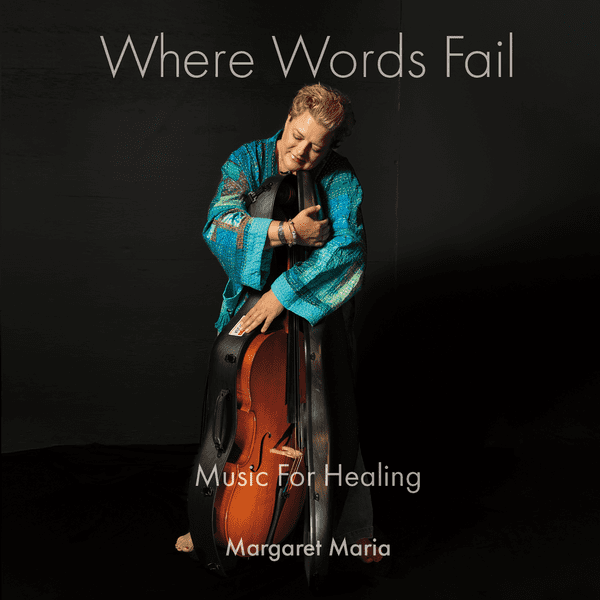
  • Where Words Fail- Music For Healing

    Where Words Fail- Music For Healing

    The year 2020 bought many things to people who struggled to cope with a world that was changing rapidly, dangerously so for many. Cellist Margaret Maria’s world bought her face to face with the vulnerability of the human form, when her sister was on life support for many weeks, a victim of COVID 19.

    How to reach out, to offer love and hope at a time when words simply fail? She reached for her beloved ‘cello, composing an album of love, hope and renewal as the days passed and eventually her sister was out of danger.

    Where Words Fail showcases the rich talent of Margaret Maria, for many years’ a member of the Vancouver Symphony Orchestra and National Arts Centre Orchestra. She moved away from the classical scene to compose and record her own music, pushing the boundaries and creating a unique sound in the neo classical genre. It is a delight to hear compositions that are more on the classical spectrum, with hidden gems reminiscent of her more recent edgy compositions.

    Commencing with the beautiful Blessing of Awakening she is reaching out, offering the waves of sound as a gift of love, as change is discovered, healing beginning, the first signs of recovery evident.

    From the Brink is a piece that is full of worry, despair, hope and gratitude written in the early days of illness, when life was tenuous, when family held on to hope, waiting for the first signs of recovery. Sombre and yet beautiful in the darkness of the moment.

    Healing Hearts is a piece that is pure energy; healing from Angels, prayers answered and also a recognition that each one needs space to accept, to heal, to be able to put together the pieces of a life that was and beginning to reshape the life that is. Majestic in its flow, the piece is one to simply sink into and enjoy.

    Following on is the soulful Raindrops from Heaven, a reflective and melodic piece that was composed at a time when solace of the soul was required. This is a very personal song that will resonate with anyone who has reached a deep weariness of the soul and needs time to simply be at one with oneself.

    Edgy, a cross mix of classical and neoclassical is the fanciful Wings of Wish; the tide is turning, the future looks a lot less bleak; a kaleidoscope of emotions and feelings, thoughts, where hopes and dreams come together, is a delightfully quirky, up-tempo piece, slightly reminiscent of another ‘other world’ full of mischief and magic.

    Classical in intent and delivery Turning Broken into Beautiful is the perfect piece to close a work that is heartfelt, charismatic, healing and ultimately, full of acceptance that all things too will pass and life, changed irrevocably, will continue.

    In the words of Margaret Maria, ‘Let this music wash over your tired soul and lift you into a beautiful space full of love and healing and beautiful self-acceptance.”

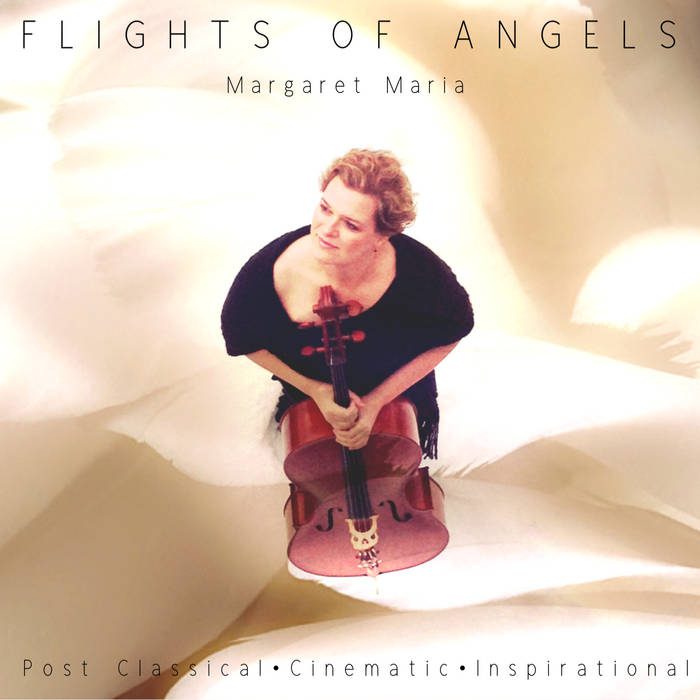
  • Flights of Angels

    Flights of Angels

    It should come as little surprise to learn that talented ‘cellist Margaret Maria lives opposite a cemetery where, within her view, stands a particularly large stone angel, which more often than not appears to provide the inspiration for many of the pieces on this, her latest work Flight of Angels.

    In direct contrast to her last powerful, feminist work Heroines in Harmony, this series of compositions is light, airy, reflective, immensely skillful and divinely intoxicating, reaching out with a very subtle but powerful energy that touches and resonates deep within the soul.

    Firmly believing in Angels is indeed wise, when composing music to them in the first instance, which is then to share with mankind in a voice of rare beauty, created via the many layers and powerful range of the ‘cello.

    Therefore, allow this glorious music to take you where it will, without definition; allow it to absorb your senses as each of the skillfully created tracks unfolds, pushing the senses to the very edge, allowing them to free fall into another time and place; a space which for some is seldom entered, but for others is familiar, relaxing and joyous.

    As always Margaret Maria’s music is powerful as in Another World Opens, a piece which is unusually captivating, so much so that the emotion woven is one of vibrancy and joy. Noted for her ability to create layers of sound from her beloved ‘cello, Tears of An Angel, reflecting on the sorrows of today’s world, displays perfectly this skill, creating a layered texture of pure sound.

    Mixed in with the various titles is the quirky And They Kept Kissing, an ethereal offering that has a delightful, almost Bohemian influence, a flouting of rules to create an individuality of sound to indulge the senses; a piece which brings to mind the famous pair of ‘kissing cupids’ much beloved of the 1990’s.

    Be Love is almost the musical equivalent of the emotional and often spoken  mantras of mindfulness, respect and love: a classically constructed piece which crafts a soundscape of love and hope for the future, before signing off on the inspiring and deeply spiritual Princes of Heaven, a slightly different vibration offered in thanks to the  four Archangels, who at various devastating times in her life were sent to offer, as only they can, their help.

    After listening to this impressive, divine and sensually pleasing series of angelically inspired compositions, Margaret Maria does indeed believe in and talk with the Angels, as they too believe in and talk with her, through the richness of her inspired music.

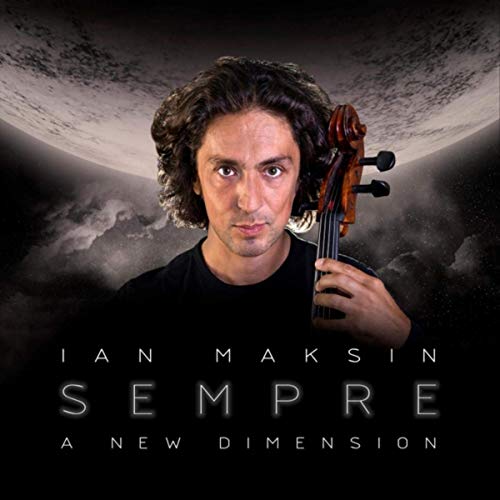
  • Sempre: A New Dimension

    Sempre: A New Dimension

    One of the real pluses with modern composition is that it can, will and does allow the composer to take the music wherever they choose to go, regardless of the vehicle of choice.

    ‘Cello as a standalone instrument is the last vehicle to be expected, but in the skilled hands of Ian Maksin, the ‘cello reaches out with a lovely rich, melodic and pure tone, to transform his compositions into pure magic, as he weaves his way across the palate stretching from renaissance to modern jazz/blue influences, creating a glorious fusion of contemporary sound.

    Sempre the title of the album, introduces the work with a beautiful staccato entrance overlayed with the sound of the strings being gently stroked. Sempre from the Italian means ‘Something that will happen or continue forever; will always happen or continue’ or ‘always’ and as the album unfolds this is surely the feeling discovered.

    A crossover piece Blues a Jardin du Luxembourg, is a piece with a definite blues melancholy, mixed in with a very traditional waltz tempo. Unique, pleasing, totally enjoyable this song is a tribute to the beauty to be discovered in the elegant gardens of Jardin du Luxembourg, to be found in the 6th arrondissement of Paris.

    Jazz graces the cello, accompanied by percussion from Andrew Mitran, in Vancouver Rain, morphing into reality that grey reflective time when the rain simply falls, gracefully forming its own solitude, allowing a time to simply be in the moment; to enjoy the blessings of time and place.

    An almost calypso beat ushers in Sunset on the Cascade, a song which almost demands taking a trip to places which are warm, sultry, mysterious in the shades of day and night. There is a lovely pulsating rhythm underlying the obvious patterns constructed in life. Remarkable sound engineering allows the many facets of the ’cello to speak and come together to create a very intriguing piece.

    Brand New Page certainly lives up to the title as Maksin ‘cuts loose’ encouraging the ‘cello to talk, to speak out loud and clear with a rich vibrancy to form a funky, lively, ethnic vibe which is, after the more traditionally composed melodies previously revelled in, absolutely fantastic. The perfect piece to place as a finale for a work that redefines the boundaries.

    Internationally acclaimed cellist, composer and multilingual vocalist, Ian Maksin aimed to create a new dimension of infinity with his music; Sempre has certainly done this and stands tall as a tribute to man who plays his beloved ‘cello from the very depth of his heart and soul, and simply cannot help but make us all a little better for the experience.

  • Heroines in Harmony

    Heroines in Harmony

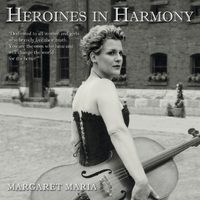
    Edgy, challenging and incredibly powerful music pours out in a serious, ‘take note’ introduction to this latest and emotionally testing album, Heroines in Harmony from cellist Margaret Maria, as she takes a stance through the medium of music, to encourage and applauded the many women who, in todays world and times long gone, have and do ‘live their truth’.

    With such a powerful introduction in Stand Tall to what can or could be very easily considered as suite for ‘cello, this sixteen-track collection makes a powerful, modern statement on women’s rights and truth.

    Not being familiar with the many women who have been the inspiration for the album, the perspective is very different. As this is and has been an introduction to a new artist, the work has been enjoyed from a completely different perspective, underlining the very essence of music – it has broad appeal, does not need to come with accompanying notes, for the pieces to relate to the emotion and imagination of the listener.

    A very ethereal, almost haunting track follows the powerful introduction in Lady of the Moon, a piece which captures the eeriness that surrounds the moon on a cloudy night, dark and mysterious, shadows and mystery hiding and hidden everywhere, with the same tone continuing on into In Full Flight.

    Dream Painting is a piece with a complete change of emotion, as Margaret Maria is joined by flautist Ron Korb, to create a soothing, gentle melody to settle the emotions, which up to this piece have been almost overwhelmed. A glorious, enchantingly rich song.

    The Furies, followed by Angel Street, Her Storm and The World Weeps see the ‘cello put through its paces, with a bow wielded by Margaret Maria in mastery of not just the music, but the instrument; a skill which has the ‘cello visiting and exploring places perhaps it was never meant to go, showcasing the incredible scope of what is frequently seen as a classical instrument.

    On To What End, a piece composed Ron Korb, the work showcases the immense talent of these two performers as ‘cello and flute appear to be dancing around each other, to create a piece that once again, showcases classical instruments doing what they do best, create remarkable music.

    A lovely ‘Olde Worlde’ touch is added in Ravens Lament, a short, slightly lighter song, delicate and yet containing the essence of that ‘look’ given by a Raven as he sums up the situation, in that been there, seen that, worldly manner. When followed by A Magical Touch and then Tiny Wings these three pieces capture perfectly, the very special otherworld of tiny faeries and their mystical goings on.

    Our Beautiful World concludes an enchanting, intriguing, musical journey that leaves one far richer for the experience and in essence and emotion, pulls together the very embodiment that is woman; strong, resilient, knowledgeable, creative, nurturing, mysterious, spiritual and loving.

    With this majestic collection Margaret Maria moves fluidly across many genres, with her stellar classical background melding the pieces together. The work is seamless, with an amazing harmony running throughout the pieces, ranging across New Age, Grunge, Steampunk and Classical frameworks created from her own unique perspective on life.

    Absolutely fantastic!


  • Sanctuary for the Soul

    Sanctuary for the Soul

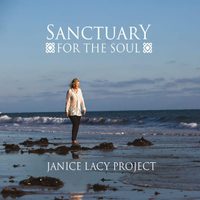
    Commencing with a delightful, classically infused duet of cello and piano, the scene is set for what is an enjoyable and inspiring album, compiled from a raft of various melodies ranging from classic to contemporary, then dancing about the edges of lightly jazzy compositions, returning once again to a more contemporary feel.

    As the music has been created by a fusion of several of Southern California’s top musicians, in pianist and keyboardist Rob Mullins, cellist Jeness, bassist Larry Antonio and drummer/percussionist Tony Braungel, the term Project was given to the group, who have created a unique sound for the compositions of Janice Lacy.

    The music is guaranteed to appeal to a wide range of listeners as each of the pieces tells its own tale of life and living. Sanctuary for the Soul is based in the premise that everyone has a place within that we go to when times are tough and life is buffeting us about. Everything’s Alright is an up tempo offering with the overtones that now the storm has passed, yes, everything will be OK.

    Sunrise Dance is a rather catchy little tune that heralds the beginning of a new day, a fresh beginning, a wonderful sunrise to gladden the heart and make the days beginning a happy event.

    As special memory of her father, Janice Lacy composed the reflective December Goodbye, a solo piano piece that touches the heart and when followed by Jim’s Waltz, once again a delicate combination of piano and cello, you begin to understand and relate to the depth of feeling woven, with a light touch, into each of the compositions.

    An ethereal piece comes into the mix with Full Moon where you can simply be at one with the music as it takes you on a journey wherever you wish to go, tripping delicately over the water, out across the landscape, down a mountain side, refreshing the soul and lightening the heart along the ways.

    Tell You That I Love You brings a jazzy feel to the final piece which showcases the talents of the musicians involved, as they weave in and out of the music, each adding their own touch to a piece that reminds us all, that everyone needs, from time to time, to be told someone loves them.

    As a predominantly classical pianist and composer, in this her first album Janice Lacy has tapped into  a wonderful, far reaching style of music which, while being contemporary, has also managed to combine emotion with a blend of ‘new age’ and jazz rhythms, to create a wonderful warm vibe which has its own appeal.


  • From Tragedy to Transcendence: The Six Suites for ‘Cello Solo – J. Sebastian Bach – for Acoustic guitar

    From Tragedy to Transcendence: The Six Suites for ‘Cello Solo – J. Sebastian Bach – for Acoustic guitar

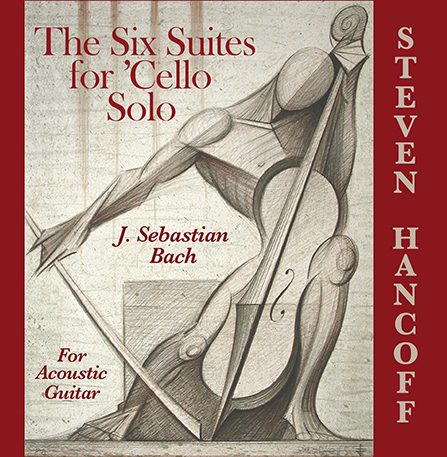
    To have the passion to transcribe one piece of classical music for guitar is to be applauded, as it is more than a work of love, it is a work of passion, of understanding more than just the traditional aspects of the created piece. To have the desire to transcribe Bach’s Six Suites for ‘Cello is something more than just having a love and passion of the music contained within the Suites, it is a love affair coupled with a burning desire to share the magnificence of a Suite of music almost lost to mankind.

    Steven Hancoff first heard the music of the ‘Cello Suites back in the 1980’s and fell in love, with not just the music, but also the story which accompanied the music; a story which Bach has used to create the music which weaves and entrances, as fresh today as it was when first written back in 1720. That the music survived at all was nothing short of a miracle. That it has been transcribed into modern format or metre suitable for acoustic guitar, thus reintroducing it to a wider audience, is indeed something very special, rare and beautiful.

    Bach composed the Suites after the death of his beloved wife Maria Barbara Bach; whether the music was in honour of her life and her passing or was simply his way of coming to terms with the hand life had dealt him is unknown, but whatever the inspiration behind the music, it has been composed with a delicate hand, a reverence, a love of his wife and his passion, that of music. That Bach was an undoubted genius is legendary.

    As Hancoff was drawn further and further in the transcription he realised he needed to be able to understand the man and his life in far more detail, in order to successfully transcribe the music. He soon discovered the more he learned about Bach, the more he listened to the Suites, the more and more ideas he came across to bring into the transcription.  This voyage of discovery just added to the challenge, the complexity and has eventually become the largest collection of Bach-analia in the world.

    That ‘Cello is a ‘one-note-at-a –time’ instrument and the guitar is specifically designed to play chords, bass notes and melody, simply added that extra inspiration to each of the 36 movements which make up the Suites.

    For those of you who may consider transcribing the ‘Cello Suites’ as sacrilege, first take a listen to this majestic work; it is anything but! The composition was created at a time in Bach’s life where he must truly have doubted so many things. It was never performed and was only found by chance in a second hand book store in Barcelona in 1920 by Pablo Casals. Casals practiced these works for more than twelve years on a daily basis, before he felt confident enough to be able to play the pieces in public.

    This was the first time these works were played for more than 200 years and it is suggested this was the first time the works were performed since it was written.

    The change of metre to guitar moves this glorious collection into the modern world making it far more accessible to the general public. The guitar also adds a dimension that was not possible back in 1720.

    Delicate, soft and reverent the music touches the inner person in the manner it was created to be able to do; to play and be listened too when life got a little or a lot tough, to remind yourself that all things do pass, and music like a slow flowing river moves over you to help heal the sorrow, lighten the soul and lift the burden of daily existence.

    As Hancoff discovered when he set out to transpose a Suite of classical music, a work that has moved on from simply the music to becoming what he now considers his life’s work, that this was a work that needed to be heard, played  and enjoyed.

    He must have  often wondering if the ghost of Bach was not sitting on his shoulder inspiring him to try this, or try that with the harmonic creations that kept emerging from the written notes.

    Hancoff refers to Bach as a ‘genius’; the great cellist Mischa Maisky called his music ‘dictation from God’, but whatever or however you choose to listen or play these Suites, you will be touched by the music, find yourself returning over and over again to one of the three discs which make up the set or simply letting the time old notes wash over you from beginning to end.

    The end note though has to go to Steven Hancoff for his dedication to the project which has become an integral component of this life, and which has given the world a wonderful interpretation of what should be considered a timeless classic, whatever the metre.