Tag: butterflies

  • Butterfly Girl

    Butterfly Girl

    Butterfly Girl had many butterflies for friends. She had a butterfly garden and used to have tea parties surrounded by her many coloured butterflies. She only had to sing to them, and they would come. They filled her days and dreams. But one-day Butterfly Girl moved homes. Her family moved from the country to an apartment in the city. There were no friends and no butterflies. What was she to do?

    Gradually she built up a balcony garden with colourful plants and shrubs. In this way she was able to meet her neighbours who were impressed with the colours of the girl’s garden. They too began to put pots and plants out on their balconies. Then one day a butterfly appeared.

    At the back of the book Butterfly Girl, there is a double page spread giving tips on how to grow your own butterfly garden. It is suggested that you find a sunny spot, add colour, rocks and water and sparkle.

    Olivia found she had made many friends who also enjoyed the plants and butterflies. This story is illustrated and has small amounts of texts so the young reader can enjoy the colourful pages.

  • Transformations: Harriet and Helena Scott, colonial Sydney’s finest natural history painters

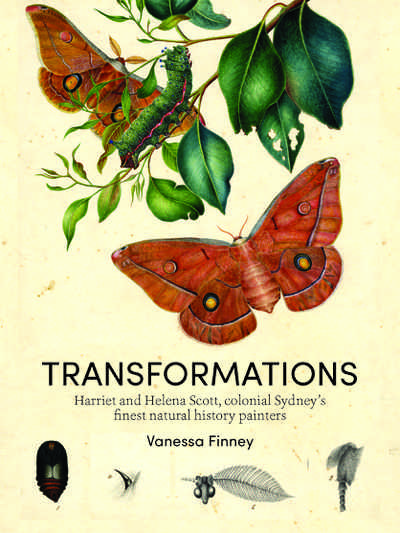
    Transformations: Harriet and Helena Scott, colonial Sydney’s finest natural history painters

    Harriet and Helena Scott were without doubt the finest natural history painters of their time. Many would argue they still hold that distinction, as their work, created more than one hundred years ago, is today still used as a reference when categorising moths, butterflies and insects of colonial Australia, a number of which have become extinct over the past century.

    Their work has left a lasting, sophisticated scientific record of what is best described as the ‘natural history’ surrounding Sydney, Newcastle and latterly Ash Island, near Newcastle on the Hunter River.

    Transformations is more than just a record and lovely collection of their amazing artwork, it is also relative to the time when women where considered to have little if any purpose in the academic world, were actively discourage from taking a more productive place in society and marginalised should they dare to be different.

    The sisters had been bought up in a home that was as diverse as it was scientific, their father Alexander Walker Scott, was from a family who were very immersed in ‘natural history’; his older brothers Helenus and Robert, being the first members of the family to settle in new colony of New South Wales and taking up land, sent back to England samples and skins of various Australian specimens to their mother, Augustus.

    Encouraged from an early age to record the wonderful moths, butterflies and insects that abounded in the countryside, the sisters produced an amazing volume of work during the years of 1849 to 1951, developing what is referred to as the ‘genre-blending, innovative style’, which reflected a ‘history, specificity and subjectivity’ rarely seen in entomological painting. Harriet and Helena were well ahead of their times with their accomplished work which was received to great acclaim.

    Women at that time were not accepted into University, a place both the sisters desired, therefore, with the support of their Father, had to make do with the world around them. His efforts to saw their work recognised, and he encouraged a long and fruitful association with the Australian Museum, an institution that was to benefit greatly from their donations of manuscripts, species and artworks.

    The advent of the industrial age saw the demand for hand painted works declined, the death of their beloved Father, and the associated changes in family circumstances saw the sisters living in very much altered circumstances. Until her death Helena struggled with earning a living, along with marginalisation from the Museums of her youth and middle years.

    All this and so much more has been skilfully arranged amongst the magnificent pictures of Harriet and Helena’s incredibly detailed work; work which shows the transformation from artwork of accepted ‘prettiness’ to that of serious entomological detail, with in some instances, the background detail as in the plate Psalidostetha murrea Scott, showing the landscape of Bombo Beach from the headland of Kiama.

    Occasionally, amongst the more scientific drawing, are some simple everyday sketches such as the one on page 143, an enigmatic drawing from sister Harriet to brother Edward in 1866.

    In creating Transformations, Vanessa Finney has bought to life once again the incredible determination of two women, born into the wrong era in so many ways, and the legacy they left, to not just the world of Science but to the world of Art, with their extraordinary talent.

    Left undisturbed for many years on the shelves of the Australian Museum, it is fitting that this work has been complied as a history of their lives, as well as they and their family’s scientific achievements. This has resulted in a captivating and charming biography of the times they grew up in and the challenges faced by women who were different, were encouraged to be different and the professional and societal challenges faced.

    Harriet and Helena Scott – ‘two of Australia’s most prominent natural historians’ have now been given their true and proper place in the world of Science and Art!

     

  • At The End Of Holyrood Lane

    At The End Of Holyrood Lane

    Storms come and go but the house at the end of Holyrood Lane seems to have more storms than most, storms that Flick hates with all her might. Storms rage and roar, making her head sore and her ears hurt. She hides under the bed and in lots of other safe places until the storm is over.

    Flick loves to chase butterflies, and run in the sunshine, she loves to play in the beech woods at the end of the lane, kicking and tumbling in their autumn leaves, that is except when it storms.

    But one day when it storms so hard there is no time to hide. No matter where she tries to hide the storm crashes all around her. At the end of the storm she is left sodden and shaken like never before. Flick decides to do something she has never, ever, done before, ask for help!

    In this skilful and sensitively written story about domestic violence, the book offers a small ray of hope for children facing the dark and destructive days of violence in the home. The very clever, gentle and sensitive use of words portrays the anxiety and fear always present and the courage needed to face the fear to ask for help.

    Used wisely this is a work which can help small children and even older children reach out, to know they are not alone and ask for the help so badly needed to break the cycle that is so destructive, physically and psychologically.

    At The End of Holyrood Lane is a landmark book on a subject which is a no longer a hidden, tragic aspect life. The skilful use of thunderstorms and stormy skies as metaphors, coupled with simple and yet powerful illustrations makes this a book which should be on the shelves of kindergarten and school libraries and used as an instructive talking time in classrooms.

    Beautifully done and presented.


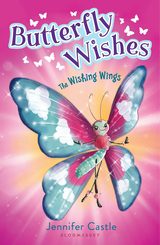
  • Butterfly Wishes 1: The Wishing Wings

    Butterfly Wishes 1: The Wishing Wings

    Wishing Wings is the first in a delightful new Butterfly Wishes series for little girls that is built around a lot of very gentle magic, and lovely storyline, combined with the tactful exploration of coming to accept some of the changes that do happen in life.

    Addie and Clara and their parents have just moved to a new house in the country. Both the girls are feeling sad at parting with their friends and school mates.  Addie is sad but accepts that friends are not that far away really, but Clara is getting very cross and angry.

    It is not until their little dog Pepper decides to run off to explore the woods at the back of the house, that Addie discovers the woods are the entry into wonderful world of magic butterflies, and that these butterflies need their help to rescue a New Bloom, Princess Shimmer Leaf, sister of Princess Sky Dance, before she loses all of her magic.

    The sister’s enter this brave new world and learn much about courage, bravery and friendship as they help rescue Shimmer Leaf from the Blue Wasps which are seriously not nice wasps.

    Delightful, dainty and totally enjoyable, this series from Jennifer Castle, with perfectly created illustrations from Tracey Bishop, will enchant and delight every little girl entering the world of chapter books.


  • My Grateful Book

    My Grateful Book

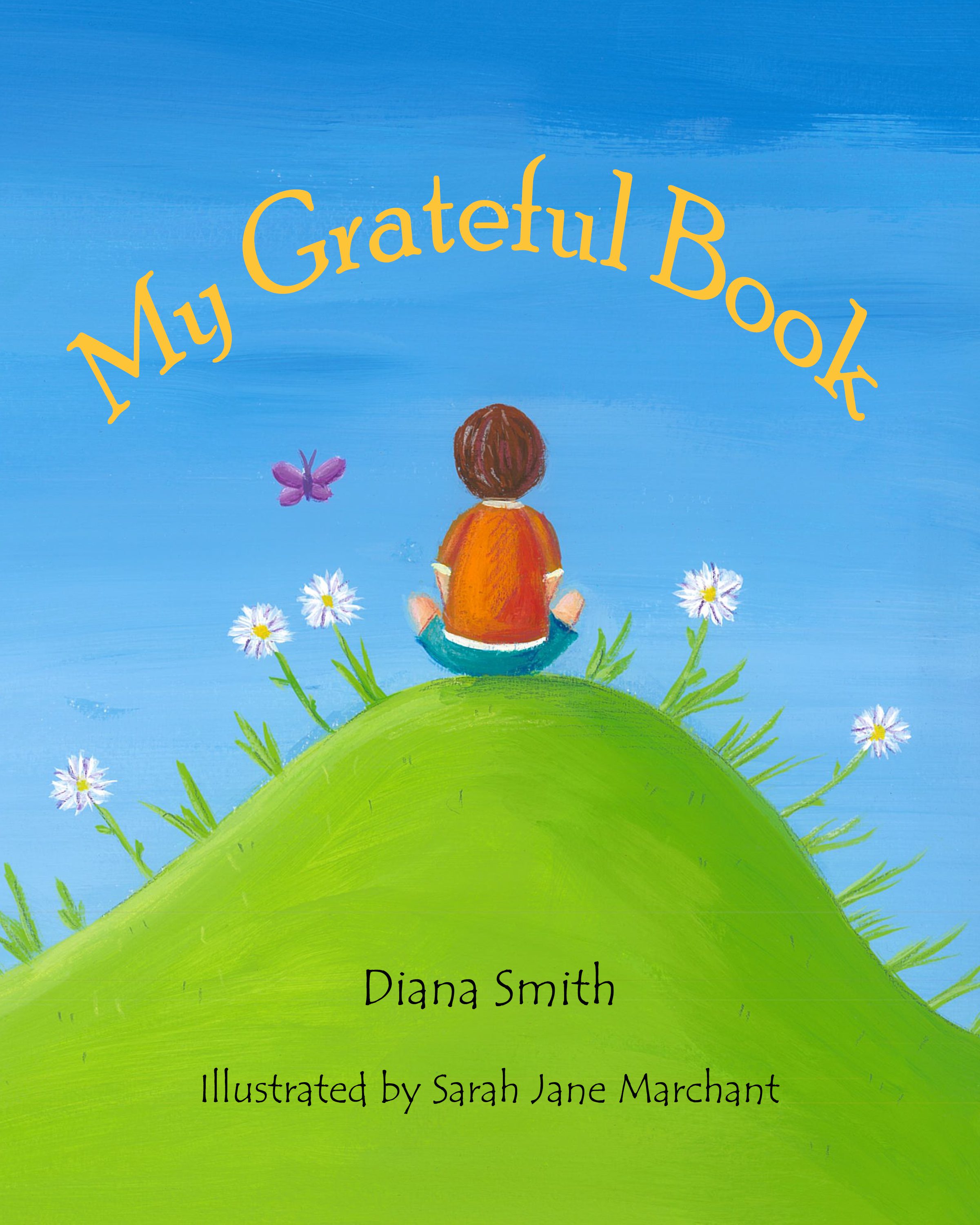
    This delightful little book sets out to remind us that there is so much in our world, in our everyday life for which to be grateful: little things mostly, which because they are little things and part of our everyday life, we often tend to take for granted.

    Through the eyes of a small child we are once again invited to be truly thankful for such things as a good meal on the table, a smile from a friend, a loved one or someone just passing bye, butterflies and rainbows, especially rainbows, because they are beautiful, can’t be touched and only last a fleeting moment in time.

    Bright colourful illustrations add to the enjoyment of the story as each page contains something little, or a simple pleasure to enjoy through the eyes of a child.

    So very often in our busy world we do forget to simply take the time to enjoy and be thankful for what we do so truly have in our lives.

    My Grateful Book is lovely book to be read at any time .If you are reading it to your children or grandchildren, perhaps you could also find some more things in your own lives and add them to the list along with the good things that will happen again tomorrow.

    Immensely enjoyable, this is a good book for little people, beginner readers, parents and grandparents alike and would also make an excellent book to be read in a school library or class room setting, as it is full of lovey points which would make excellent topics for discussion.